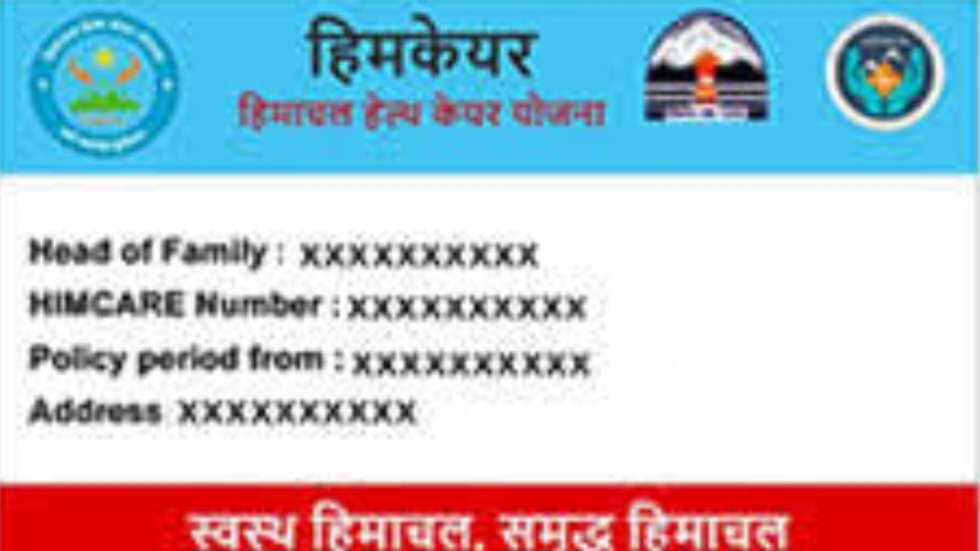
Himcare Payments Put on Hold as Vigilance Probe Deepens
Payment of long-pending dues under the Himcare health insurance scheme to private hospitals in Himachal Pradesh has been put on hold, leaving healthcare providers waiting for over ₹200 crore. The state government has decided to pause all disbursements until an ongoing vigilance inquiry into an alleged scam linked to the scheme reaches its conclusion.
Private hospitals across the state have been pressing the government to clear their bills for treatments already provided under Himcare. However, the Health Department has suspended payments after serious allegations surfaced, including fraudulent billing, mismatches in treatment records and suspected manipulation of the payment approval process.
Officials say the government is being cautious. Releasing funds before the investigation is complete could not only lead to further financial irregularities but may also weaken the probe itself. A final call on which claims are genuine—and whether action should be taken against erring hospitals, agencies or individuals—will be made only after the Vigilance Department submits its report.
Launched to offer cashless medical treatment to eligible families, the Himcare scheme has been a lifeline for many in the state. But the latest developments have raised questions about its implementation and financial oversight, especially at a time when the Himachal Pradesh government is already grappling with serious fiscal constraints.
According to sources, the vigilance inquiry—believed to involve irregularities worth over ₹110 crore—has picked up pace. On Wednesday, investigators conducted a second round of questioning of six employees linked to audit and health agencies associated with the scheme. The marathon interrogation reportedly focused on how medical bills were verified, records maintained and payments approved.
Investigators are carefully comparing hospital claims with actual treatment records and medical bills submitted to the authorities. During questioning, some employees allegedly failed to give satisfactory explanations for several flagged files and suspicious payment clearances.
Early findings from the probe point to possible tampering with software data and physical documents to show certain hospital claims as rule-compliant. Investigators are also examining allegations that claims from select private hospitals were fast-tracked without proper scrutiny.
The Vigilance Department is now probing potential collusion between agency officials and private hospital managements in clearing inflated or fake claims. Digital data, payment trails and other electronic evidence are under close examination, with investigators also looking into possible commissions and financial transactions at multiple levels of the payment chain. As the inquiry reaches a crucial phase, its scope may widen further to include more officials, agencies and hospital-linked individuals.