A Long-Pending River Linking Project Gains Momentum in the Himalayas
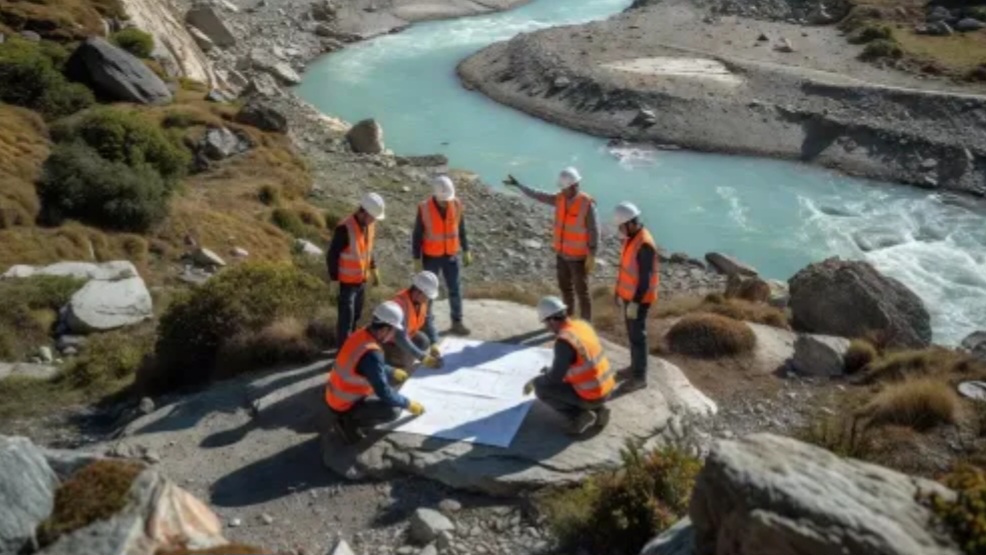
A major infrastructure project that has been on the drawing board for years is now finally showing signs of moving forward. The Centre is preparing to begin work on the Chenab–Beas Link Tunnel project, an ambitious plan aimed at diverting surplus water from the Chandra River in Lahaul-Spiti into the Beas basin through an underground tunnel beneath the Pir Panjal range.
While an official announcement is still awaited, sources indicate that activity related to the project has picked up pace in New Delhi. The development comes at a significant time, especially after the recent suspension of the Indus Waters Treaty with Pakistan, adding a strategic dimension to the initiative.
At the heart of the proposal is the construction of an 8.7-kilometre-long tunnel in the Koksar area of Lahaul-Spiti. The estimated cost of this component alone stands at ₹2,352 crore, with the total project cost, including silt management systems and supporting infrastructure, expected to reach around ₹2,600 crore.
To regulate the flow of water, the plan also includes building a 19-metre-high barrage on the Chandra River. This structure would help divert water efficiently into the tunnel system, forming part of a broader vision to channel water from the Chenab basin toward the Beas basin using advanced hydraulic engineering.
Experts believe the project has the potential to significantly boost Himachal Pradesh’s hydropower sector. If implemented successfully, it could pave the way for generating nearly 4,000 MW of additional hydroelectric power—an important step for a state where hydropower is a key economic driver. Beyond energy, the project is also expected to improve irrigation and water management across parts of North India.
Reacting to the development, Hamirpur MP Anurag Singh Thakur described the project as a transformative initiative for the region. He emphasized that it could strengthen India’s push toward self-reliance in both water and energy sectors, while also serving national interests in the changing geopolitical context.
At the same time, the project is drawing attention from environmental experts, who caution that such large-scale interventions in the fragile Himalayan region must be approached carefully. They stress the importance of detailed environmental and geological studies, particularly given the sensitive terrain of Lahaul-Spiti, which is prone to seismic activity and heavily influenced by glacial systems.
The proposal has already sparked discussions within Himachal Pradesh. While many see it as an opportunity to unlock new potential in renewable energy and infrastructure development, others are urging a balanced approach that takes into account ecological concerns, river flow patterns, and long-term sustainability.
As the project inches closer to reality, it represents both an engineering challenge and a significant opportunity—one that could reshape water management and energy production in the region, provided it is executed with careful planning and environmental responsibility.