Kasol Shock: Viral Gun Video Triggers Fear, Anger and Fresh Questions on Tourist Misconduct
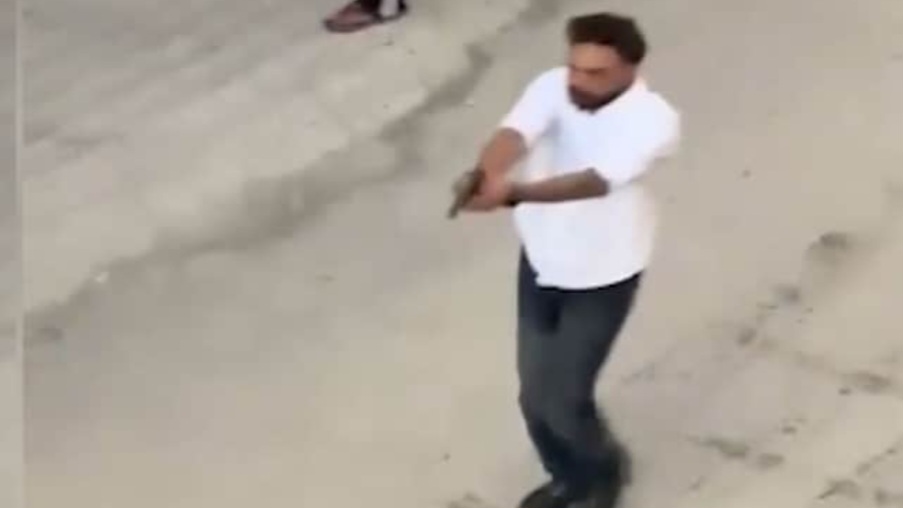
A disturbing video from Kasol has sent shockwaves across Himachal Pradesh, showing a tourist allegedly walking through a crowded market openly brandishing a pistol—just moments before and after a shooting incident. The clip has gone viral, sparking outrage among residents and reigniting concerns about growing indiscipline among visitors in the state’s most popular tourist spots.
The incident unfolded on Saturday afternoon in Kasol, a bustling destination in Kullu district known for attracting tourists from across the country and abroad. What reportedly began as a verbal argument between a group of tourists and local residents quickly spiralled into violence, once again highlighting the mounting challenges faced by authorities in maintaining law and order in tourism-heavy areas.
According to police, the confrontation took place in the busy market area. During the altercation, one of the tourists allegedly pulled out a pistol and fired at a young man from Bagiyanda village. The bullet struck him in the leg. He was immediately rushed to Kullu Hospital, where he is currently undergoing treatment. The sudden gunfire triggered panic, with shopkeepers, locals, and visitors scrambling to safety.
The situation took an even more serious turn after videos from the incident began circulating widely on social media. In one clip, a man can allegedly be seen walking casually through the market while holding a pistol, as stunned bystanders watch from a distance. Another video reportedly captures the moments leading up to the firing. These visuals have fueled anger among locals, many of whom are questioning how such blatant display of weapons in public spaces is becoming increasingly common.
Kullu Superintendent of Police Madan Lal Kaushal confirmed that swift action was taken. Four individuals have been arrested in connection with the incident: Manpreet Singh from Tarn Taran, Aman Randhawa from Amritsar, Sukhmanpreet Singh from Ferozepur, and Karandeep Singh from Gurdaspur district in Punjab. However, one accused, identified as Taman from Batala, remains on the run, and police have launched a search operation to locate him. A case has been registered, and investigations are ongoing.
For residents of Kullu Valley, this is not just a one-off incident—it’s part of a worrying trend. Over the past few years, locals say there has been a noticeable rise in cases involving aggressive and irresponsible behaviour by a section of tourists. From drunken brawls and reckless driving to public nuisance and violent clashes, these incidents are increasingly being reported in places like Kasol, Manali, and nearby tourist hubs.
Just weeks earlier, a similar incident had surfaced from Sainj Valley in Kullu district, where tourists allegedly attacked locals with swords following a vehicle accident, leaving two people injured. Videos from that episode also spread rapidly online, intensifying concerns about safety.
Earlier this year, another case drew attention when a group of tourists from Haryana was accused of vandalising a roadside eatery and assaulting its owner in Kullu district. Such repeated episodes, particularly during peak tourist seasons, are drawing criticism not just from residents but also from those involved in the tourism industry.
Locals say Himachal’s long-standing reputation for hospitality is being taken advantage of by a minority of visitors who show little respect for local laws, culture, or public safety. While tourism remains a crucial part of the region’s economy, there is growing anxiety that unchecked misconduct could damage both public order and the state’s image.
In response, residents are calling for stronger measures—stricter identity verification at hotels and homestays, increased police presence in crowded tourist zones, firm checks against carrying weapons, and harsher punishments for those involved in violent acts.
The Kasol incident, amplified by the viral videos, has struck a nerve because it appears to capture a disturbing level of disregard for the law in one of Himachal Pradesh’s most visited destinations. Many fear that such incidents not only endanger locals but also deter responsible tourists, ultimately harming the region’s tourism-driven economy.
As investigations continue and efforts to track down the absconding accused intensify, the episode has sparked a broader and more urgent debate. For many in Himachal Pradesh, the concern is no longer whether tourist misconduct is on the rise—but whether decisive action will be taken before such incidents become a regular occurrence in the state’s cherished tourist destinations.



The majority incidents happen due to provocation from Taxi drivers in HP, who misbehave with tourists when it comes to parking. In reference to this incident 15 local men pinned down the tourists and attacked him and it was a do or die situation. The results were obvious.