Bridging the Divide: How Himachal is Transforming Its Tribal Heartlands
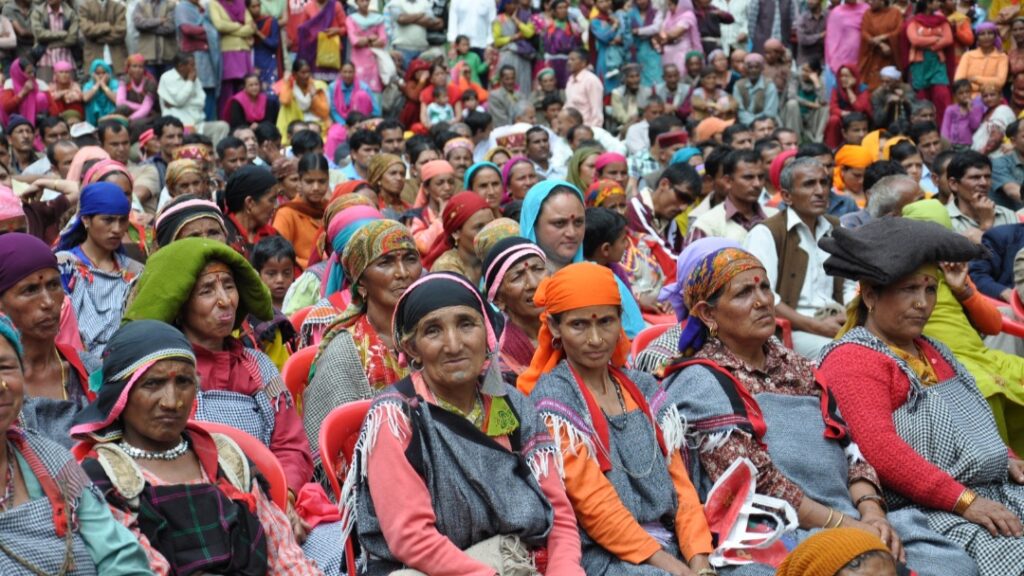
High in the Himalayas, where the air thins and the snows linger for months, a remarkable transformation is unfolding. Himachal Pradesh’s tribal regions—spread across the starkly beautiful districts of Lahaul-Spiti, Kinnaur, Pangi, and Bharmour—are a world apart from the state’s bustling valleys. Here, the population thins to just seven people per square kilometre, a stark contrast to the state average of 123. Winters can cut off entire communities, and the rugged terrain makes every development effort a logistical challenge.
Yet, against these considerable odds, the state government, under the leadership of Chief Minister Thakur Sukhvinder Singh Sukhu, has made a quiet but determined push to ensure these remote communities are not left behind. Their approach? A focused, multi-pronged strategy that is beginning to show real results.
The Numbers Behind the Effort
The scale of the task is immense. The tribal areas cover nearly 42.5 percent of the state’s land but are home to just under 4 lakh people—a mere 5.7 percent of Himachal’s total population. But the government has turned this demographic reality into a strength, earmarking a dedicated nine percent of its annual development budget for the Tribal Sub Plan. This isn’t just tokenism; for 2024-25, this amounted to a hefty Rs. 890 crore.
The impact is tangible. Every permanent and seasonal tribal habitation now has electricity and safe drinking water. The region also boasts a healthier sex ratio of 1,018 females for every 1,000 males, a notable achievement that speaks to improving social conditions.
Lighting the Path to a Brighter Future
For any community, education is the cornerstone of progress, and the state is investing heavily in this area. Schemes like pre-matric and post-matric scholarships are helping thousands of students stay in school—3,361 and 5,693 respectively in 2025-26 alone. Meanwhile, four Eklavya Model Residential Schools, with over 1,000 enrolled students, have become beacons of aspiration, sending their graduates to elite institutions like IITs and medical colleges. Hostels, classrooms, and libraries are steadily improving the learning environment across these high-altitude settlements.
Advanced Healthcare in Remote Corners
Perhaps the most dramatic change has been in healthcare. The region is now served by a network that includes two district hospitals and six community health centres, supported by 49 primary health centres and 123 sub-centres. A landmark achievement has been the establishment of Adarsh Swasthya Sansthans in Lahaul-Spiti and Bharmour. These are not your typical rural clinics; they are equipped with specialist doctors, MRI and CT scan machines, and full laboratory services, bringing advanced medical care to communities that once had to travel for days to see a specialist.
Empowerment and Livelihoods
The government’s vision extends beyond basic services to creating sustainable livelihoods. Over the past three years, 815 tribal youth have received skills training, with 577 of them finding jobs or starting their own ventures. The Mukhyamantri Krishi Samvardhan Yojana has distributed thousands of quintals of certified seeds and fertilizer to boost agricultural productivity. In a particularly heartening development, over 3,200 women from tribal communities have become ‘Lakhpati Didis’—earning over one lakh rupees annually—through self-help groups and livelihood programmes, receiving additional financial support under the Indira Gandhi Pyari Behna Sukh Samman Nidhi Yojana.
A New Chapter for Tourism and Energy
Recognising the region’s immense potential, the state is also promoting sustainable livelihoods through tourism and clean energy. A five percent interest subsidy is on offer for establishing or upgrading homestays, providing a new avenue for income generation. Similarly, the Rajiv Gandhi Swarozgar Start-up Scheme supports the setting up of solar power projects, harnessing the region’s abundant sunlight while creating local jobs.
Beyond Development: A Unique Identity
In a symbolic move that underscored its commitment, the government celebrated Himachal Day in Kaza, Spiti Valley, for the first time in the state’s 75-year history. This gesture, along with investments in tribal museums and community libraries, highlights a resolve to bring governance closer to the people while preserving their unique cultural heritage.
From the Pangi Valley—which has become a model for natural farming with its chemical-free barley fetching a guaranteed price—to the 3,793 kilometres of optical fibre now connecting remote gram panchayats under BharatNet, the picture is one of steady, inclusive progress. The story of Himachal’s tribal areas is no longer just about the challenges of geography and climate; it’s about a determined effort to ensure that the benefits of development reach every home, every family, and every community, no matter how high in the mountains they are.