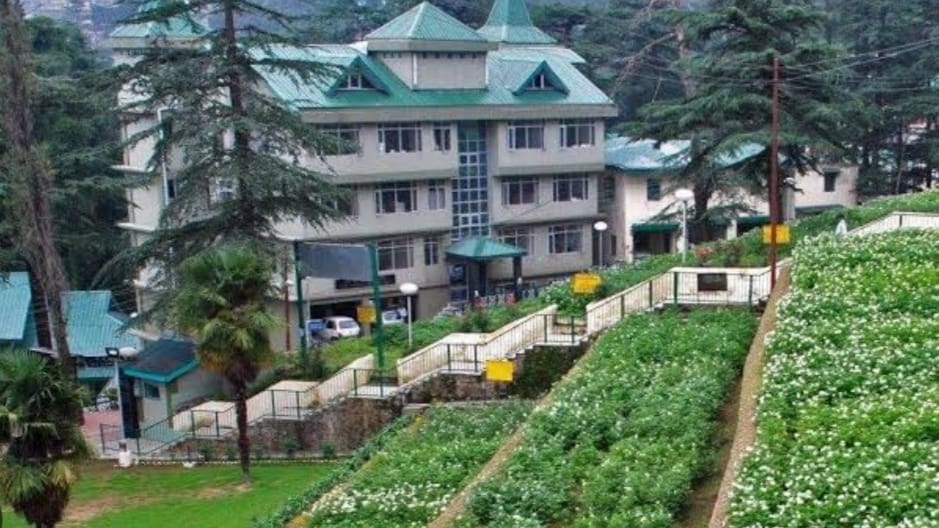
MPs Visit Shimla’s Potato Research Hub, Push for Climate-Ready Crop Innovation
Shimla’s ICAR–Central Potato Research Institute (CPRI) recently played host to Members of Parliament Sukanta Kumar Panigrahi (Odisha) and Patel Umeshbhai Babubhai, who visited the institute to gain insight into India’s ongoing efforts in potato research and innovation. Their visit highlighted an important concern—developing potato varieties suited for coastal and humid regions, where farmers face very different climatic challenges compared to the hills.
The visit was part of a larger tour by the Parliamentary Standing Committee on Agriculture, Animal Husbandry and Food Processing. It gave the delegation an opportunity to closely observe the institute’s work, understand its contributions, and explore how research can better support farmers across diverse geographies.
The MPs were welcomed by Dr. Alok Kumar, Head of the Social Sciences Division, who gave an overview of the institute’s role in strengthening India’s potato sector. From improving crop varieties to supporting farmers with better practices, CPRI has been at the forefront of potato research for decades.
Adding to this, Dr. Sanjeev Sharma, Head of the Plant Protection Division, highlighted the institute’s work in ensuring healthy potato crops. He spoke about advancements in disease detection, pest management, and scientific interventions aimed at boosting productivity while maintaining sustainability and seed quality.
During their visit, the MPs toured laboratories, research units, and advanced facilities, including the institute’s aeroponics system—a standout innovation that drew particular attention. The aeroponics technology allows scientists to grow potato plants without soil, using a mist-based system in controlled conditions. This helps produce high-quality, disease-free mini-tubers at scale.
Dr. Tanuja Buckseth, Senior Scientist, explained how this system is transforming seed production. By ensuring a steady supply of healthy planting material, it strengthens the entire seed chain and ultimately benefits farmers with better yields.
The discussion also moved beyond research to market opportunities. MP Patel Umeshbhai Babubhai explored the potential for boosting India’s potato exports, asking about quality standards, processing varieties, and ways to make Indian potatoes more competitive globally. Scientists pointed out that improvements in seed quality, storage infrastructure, and value addition—such as processed potato products—could play a crucial role in expanding export potential and increasing farmers’ earnings.
Meanwhile, MP Sukanta Kumar Panigrahi focused on the rising demand for quality potato seeds within the country. The delegation reviewed how CPRI is working to meet this demand using advanced seed production technologies.
One of the key innovations discussed was the Seed Plot Technique, developed by the institute. This method allows farmers to produce healthy seed potatoes even in regions not traditionally known for seed production. By making quality seeds more accessible locally, the technique helps reduce costs and boosts overall productivity.
Overall, the visit underlined the growing importance of research-driven agriculture in addressing both regional challenges and global opportunities. With changing climates and increasing demand, developing adaptable crop varieties and innovative farming solutions is becoming more crucial than ever.
For the MPs, the tour was not just about reviewing progress but also about shaping the future direction of agricultural research—ensuring that institutes like CPRI continue to support farmers effectively, no matter where they are or what conditions they face.