Saving India’s Climate Shield: Retired Bureaucrats Demand Green Compensation for Himalayan States
Himalayan States Deserve More Than Scenic Praise — They Need Fiscal Recognition
In a powerful appeal to the 16th Finance Commission, a coalition of 103 retired Indian civil servants is calling for urgent fiscal reform to protect India’s fragile Himalayan ecosystem. Representing the Constitutional Conduct Group (CCG), these former officials — including ex-ambassadors, chief secretaries, and senior bureaucrats — are advocating for a dedicated “Green Fund” to reward states like Himachal Pradesh, Uttarakhand, Jammu & Kashmir, and Sikkim for their ecological stewardship.
Climate Disasters Are Escalating — And the Mountains Are Paying the Price
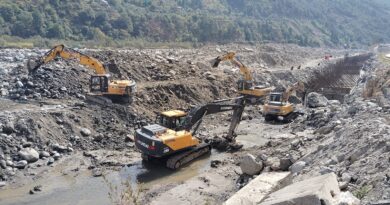
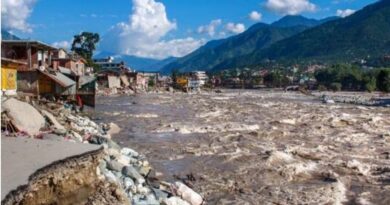
The group’s letter, submitted on November 3, highlights the alarming toll of climate change and unchecked development in the Himalayan belt. Himachal Pradesh alone reported nearly 1,200 deaths and ₹18,000 crore in damages between 2022 and 2025. Uttarakhand recorded over 18,000 natural disaster events in a decade, resulting in 3,500+ fatalities. These aren’t isolated incidents — they’re symptoms of a collapsing ecosystem.
Forests, Glaciers, and Rivers: India’s Hidden Economic Engine
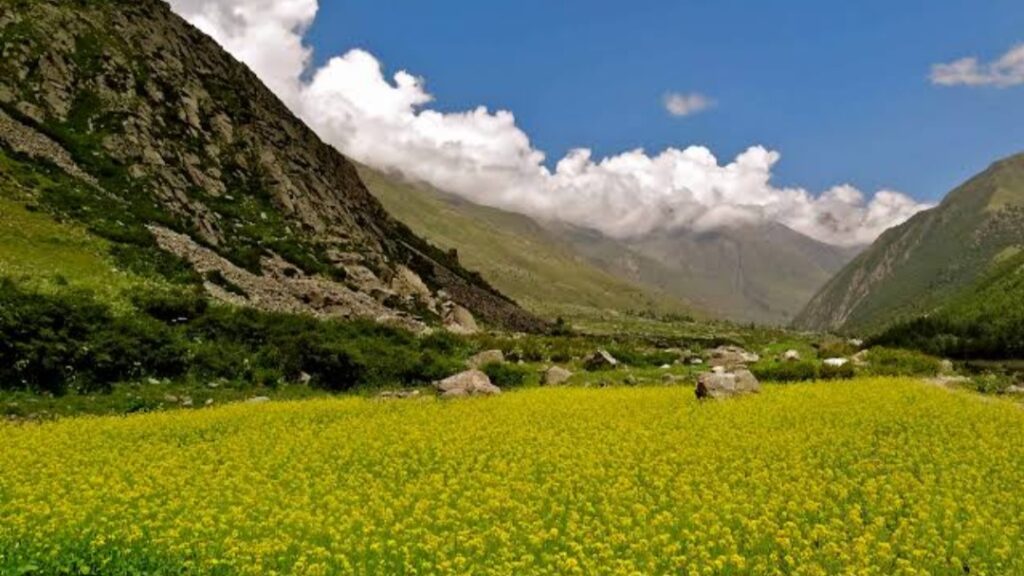
The CCG argues that Himalayan states are penalized for their geography. With limited industrial capacity and high development costs, they rely heavily on natural resources for revenue. But this exploitation comes at a steep ecological cost. The forests and rivers of the Himalayas sustain nearly 400 million people across North India, feeding the Ganga basin and regulating monsoon patterns.
A 2025 report by the Indian Institute of Forest Management estimates Himachal Pradesh’s forest wealth at ₹9.95 lakh crore, with an annual economic value of ₹3.2 lakh crore — including carbon sequestration, biodiversity, and water provisioning. Yet, these contributions remain invisible in India’s fiscal planning.
A Call for a ₹50,000 Crore Green Fund and Policy Reform
The retired officers propose a two-fold solution:
- Increase the weightage for ecological services in the Finance Commission’s tax devolution formula from 10% to 20%.
- Create a ₹50,000 crore Green Fund to incentivize conservation, with disbursements tied to measurable environmental outcomes.
They also urge the Commission to redefine “forest area” to include alpine zones like glaciers and snowfields, which are vital water sources and wildlife habitats.
Voices from the Hills: Local Leaders Echo the Call
The former Deputy Mayor of Shimla, speaking at a NITI Aayog meeting in Shillong, backed the proposal for a separate planning body for Himalayan states. He emphasized the need for a differentiated development strategy that balances ecology with livelihoods — a sentiment that resonates with the CCG’s recommendations.
A Shared Responsibility: Protecting the Himalayas Is Protecting India
Quoting a recent Supreme Court warning that “Himachal Pradesh could vanish from the map of India,” the CCG stresses that ecological preservation must be a national priority. Their message is clear: the Himalayas are not just local treasures — they are India’s climate shield, and their survival depends on collective action.