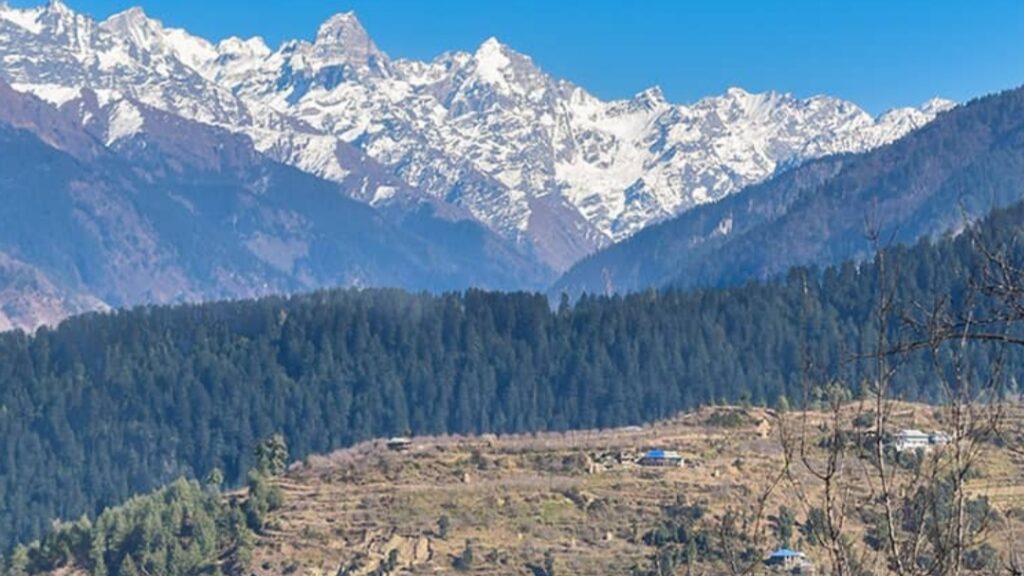
Himalayas at a Crossroads: Report Calls for Urgent Action on Waste and Resilience
The fragile Himalayan ecosystem is facing mounting pressure, with growing waste dumps and rising climate risks threatening its future. A new report titled , “The Future of the Himalayas: Rethinking Development and Resilience”, has sounded the alarm, urging governments to adopt structured waste management frameworks and rethink development models across the region.
According to Environment Ministry data, Himalayan states generate more than 7,000 metric tonnes of solid waste annually, yet recycling systems remain weak. Popular tourist towns like Shimla, Manali, and Mussoorie see seasonal population surges up to ten times their resident numbers, overwhelming local waste-handling capacity.
Healing Himalayas Foundation, highlighted the growing burden in high-altitude areas. The foundation noted that while the Atal Tunnel eased traffic at Rohtang Pass, it also brought a surge of over 20,000 vehicles daily during peak season, leaving behind alarming volumes of waste.
The report stresses that the Himalayas are not isolated—they are an interconnected ecological system whose health directly impacts 1.3 to 1.5 billion people downstream in South Asia. It warns of a 15–20% rise in extreme rainfall events since the 1950s, leading to more landslides, infrastructure strain, and community vulnerability.
To tackle these challenges, the paper recommends shifting from project-based development to system-level planning, aligning policies with watershed and basin-scale ecological processes. It calls for terrain-specific infrastructure, recognition of ecological carrying capacity, and stronger local recycling systems tailored to the Himalayan geography.
Delegates at the report launch stressed the urgent need for balance, noting that “the Himalayas stand at a critical juncture where development must be guided by ecological sensitivity.” They called for coordinated efforts involving NITI Aayog, policymakers, and global partners, emphasizing that true resilience will come only through scientific planning, active community participation, and the creation of sustainable infrastructure.
The message is clear: the Himalayas cannot afford piecemeal solutions. Protecting this vital region requires urgent, collective action to ensure that development goes hand in hand with ecological preservation.