Himachal Unveils Grazing Policy 2026 to Boost Rural Livelihoods and Protect Ecology
In a significant move to support graziers and strengthen the state’s rural economy, the Himachal Pradesh government has approved the Grazing Policy 2026, introducing a modern and balanced approach to pastoral practices. Guided by Chief Minister Thakur Sukhvinder Singh Sukhu’s vision, the new policy replaces outdated restrictions with a flexible, science-backed system that treats controlled grazing as a means to improve grassland health, boost soil quality, and conserve biodiversity.
At the heart of the policy is an effort to bring traditional pastoral communities into a formal and transparent system. Over the next six months, the Forest Department, working alongside the Animal Husbandry Department, will build a comprehensive digital portal where graziers can register key details such as livestock numbers, migration routes, and stopping points. By linking this data with Aadhaar, Him Pariwar, and the Bharat Pashudhan portal, the government aims to streamline identification while preserving the essence of an age-old livelihood.
Importantly, the policy recognizes that many pastoralists have long operated without official permits. These individuals will now be given the opportunity to register and have their cases evaluated by local grazing advisory committees, ensuring fair and transparent allocation of new grazing rights.
Unlike earlier systems, grazing permissions will now be granted based on scientific assessment rather than estimates. Factors such as pasture availability, forest carrying capacity, wildlife needs, and traditional community rights will be carefully considered. The policy also introduces rotational grazing, allowing forest areas to recover naturally while ensuring sustainable use of resources.
Decision-making has been decentralized, with local committees—including graziers, panchayat representatives, and subject experts—playing a key role. These panels, led by forest officials, will review permits every five years, adapting them to seasonal and ecological changes and removing confusion that previously existed across forest divisions.
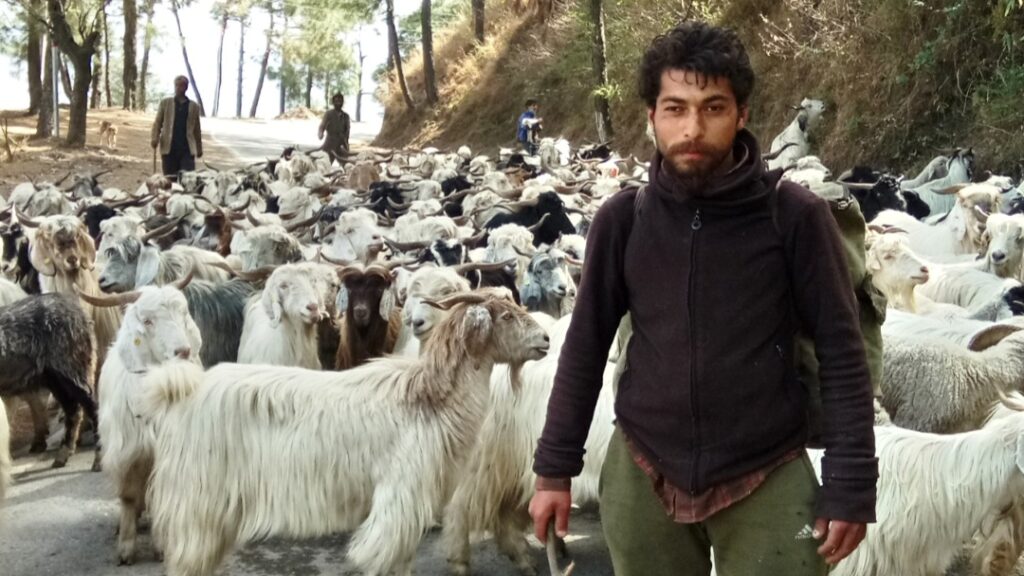
The policy also addresses long-standing issues such as unused permits. These will be cancelled after proper verification, and the freed-up grazing capacity will be redistributed to active graziers through Gram Sabhas. In another important step, traditional herders known as Pohals will now be formally recognized, ensuring their safety and livelihood security.
To safeguard Himachal’s rich pastoral heritage, the government has committed to protecting traditional migratory routes, watering points, and halting grounds. These will be geo-tagged and mapped, while forest plantations older than seven years will be opened for regulated grazing, striking a balance between conservation and livelihood needs.
Chief Minister Sukhu summed up the intent behind the policy, stating, “Grazing Policy 2026 reflects our commitment to ‘Hariyali bhi, Khushhali bhi’. It protects our pastoral traditions and secures the future of livestock-dependent families.”
With its focus on sustainability, inclusivity, and economic empowerment, the new policy marks a progressive step towards building a resilient rural economy while preserving Himachal Pradesh’s natural and cultural heritage.