Himachal Govt to Reform University Recruitment and Finances with New Amendment Bill
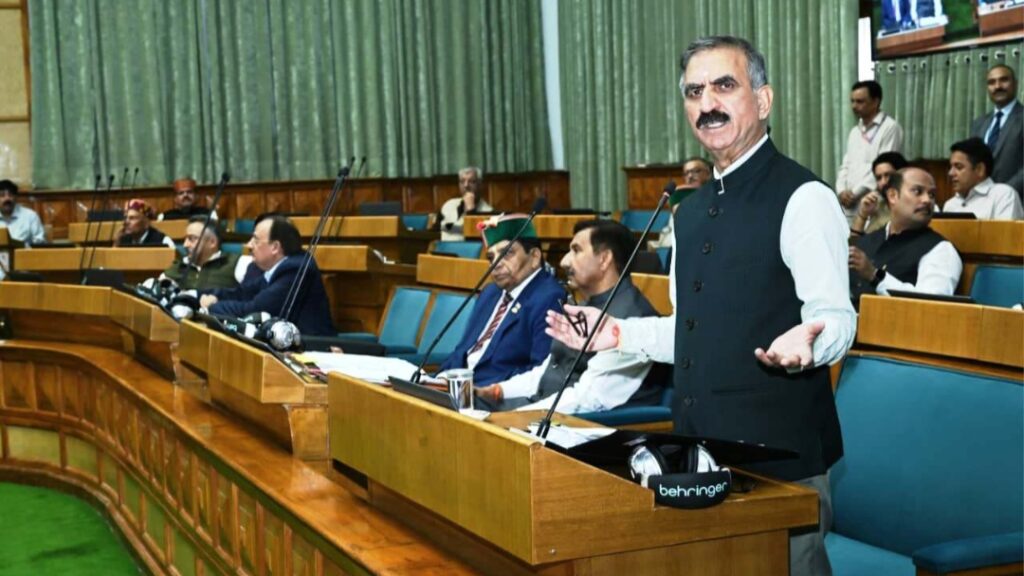
In a significant move aimed at improving transparency and accountability in higher education, the Himachal Pradesh government has introduced the Himachal Pradesh State Universities (Amendment) Bill-2026 in the Legislative Assembly. Chief Minister Sukhvinder Singh Sukhu tabled the Bill, proposing major changes in the recruitment process and financial management of the state’s government-run universities.
One of the key highlights of the proposed legislation is the introduction of a more centralised and transparent recruitment system. If approved, direct recruitment of teachers in six state universities will be conducted through the Himachal Pradesh Public Service Commission (HPPSC), while appointments to non-teaching positions will be made through the Himachal Pradesh Raj Chayan Aayog (HPRCA) or any other agency notified by the government.
The government says the changes are intended to ensure that recruitment is based on merit, fairness and transparency, while continuing to follow the norms laid down by the University Grants Commission (UGC).
The proposed amendments will apply to six major state universities, including Himachal Pradesh University (Shimla), Sardar Patel University (Mandi), Himachal Pradesh Technical University (Hamirpur), Dr Y.S. Parmar University of Horticulture and Forestry (Solan), CSK Himachal Pradesh Agriculture University (Palampur), and Atal Medical and Research University (Nerchowk).
Greater Financial Oversight Proposed
The Bill also seeks to strengthen financial governance within universities. Under the new provisions, the Finance Secretary of the state government will serve as the chairperson of the finance committees of all six universities.
According to the government, this measure is aimed at promoting financial discipline and ensuring more effective monitoring of public funds. Important proposals, including the creation or upgradation of posts, changes in recruitment and promotion rules, and revisions in salaries and allowances, will first be examined by the finance committees before moving to the universities’ Executive Councils or Boards of Management.
Only after these stages will the proposals be forwarded to the state government for final approval, creating an additional layer of scrutiny in financial decision-making.
Addressing Concerns Over Financial Management
In the Statement of Objects and Reasons accompanying the Bill, the government cited instances of financial mismanagement and indiscipline in universities as a major reason behind the proposed reforms.
Officials maintain that the amendments are designed to strengthen institutional governance, ensure more transparent hiring processes and improve the utilisation of public resources. The government has also clarified that implementing the new provisions will not place any additional burden on the state exchequer, as they will be carried out through the existing administrative framework.
If passed, the legislation could mark a significant shift in how state universities recruit staff and manage finances, with the government positioning the reforms as a step towards greater accountability, efficiency and public trust in higher education institutions.