Where Faith Meets the Rapids: Tattapani’s Ancient Waters Find a New Flow
In the quiet embrace of the mountains, where the Sutlej river carves its path, there is a place where the earth breathes warmth. Tattapani, nestled in the Karsog area of Mandi district, has long been known for its miraculous hot water springs—a gift from the depths believed to heal both body and soul. But today, this historic land is experiencing a rebirth, as the gentle murmur of faith now mingles with the joyful splash of adventure.
This is a story of how an ancient site of pilgrimage is transforming into a vibrant hub for all, without losing its sacred soul.
Fifty-five kilometers from the state capital, Shimla, the town of Coal Dam (as it’s historically known) is drawing visitors for reasons both old and new. Pilgrims still come to wash away their ailments in the sulphur-rich waters, while a new generation of travelers arrives for the thrill of jet skis and hot air balloons soaring above the man-made lake created by the Kol Dam project.
It’s a rare harmony: the deep, resonant chants of faith blending with the laughter of families enjoying a motorboat ride.
The state government, under the leadership of Chief Minister Thakur Sukhvindra Singh Sukhu, has recognized the unique potential of this place. It’s not just about building infrastructure; it’s about reviving a legacy. In a recent push to develop Tattapani as a premier destination, officials met with the Kol Dam management to breathe new life into the very reason people have come here for centuries: the natural hot water springs.
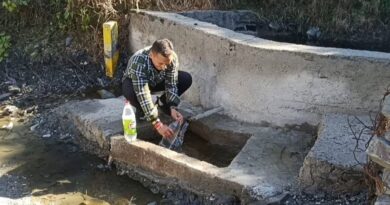
The plan is a sensitive one. Efforts are underway to rejuvenate the existing kunds (pools), ensuring a steady and proper flow of the therapeutic hot water that has made this place famous. The Kol Dam management has been tasked with preparing a detailed project report (DPR) that honors the site’s religious importance and preserves its stunning natural beauty while thoughtfully developing the space for visitors.
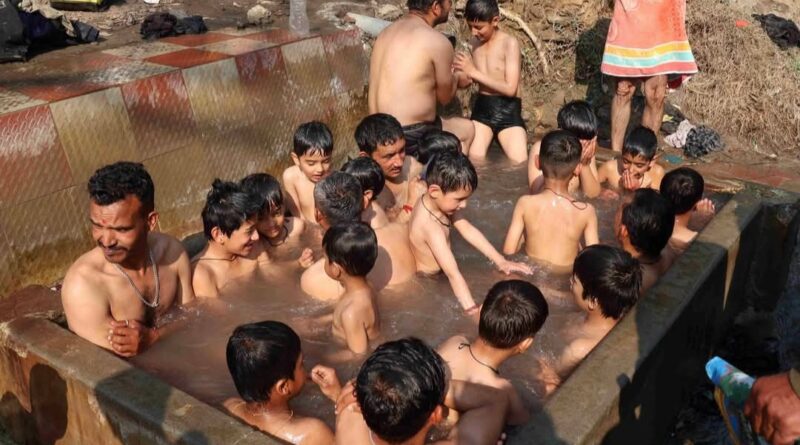
The faith here runs as deep as the river itself. The hot water, with its faint scent of sulphur, is believed by locals to be imbued with medicinal properties, offering relief from skin diseases and joint pain. But the belief goes beyond the physical. It is said that a dip in these sacred waters during Makar Sankranti brings virtue equal to a holy bath in the Ganges during Kumbh.
Every year, as the sun god begins his northward journey, thousands gather here. They descend into the warm pools, a sea of humanity bound by faith, donating food and clothing as an offering. It is a tradition passed down through millennia, a ritual believed to calm planetary afflictions and bestow happiness and salvation.
Adding to the spiritual aura is the region’s connection to antiquity. It is revered as the tapasya bhoomi (penance ground) of Sage Jamdagni, one of the seven great sages (Saptarishi) of Hindu mythology. This historical thread weaves a rich tapestry of culture that modern development is careful not to tear.
Prem Raina, Secretary of the Tattapani Water Sports Association, watches this transformation with pride. “This place has always been a center of religious faith and belief,” he says, gesturing towards the river. “But now, with the water sports on the lake, it has become a destination for tourism too. The legend of Sage Jamdagni, the healing waters, and the thrill of the rapids—it all comes together here. It attracts everyone.”
Tattapani, therefore, is no longer just a stop for the pious or a hidden gem for the adventurous. It is becoming a destination where a grandparent can pray for wellness, a parent can watch their child’s eyes light up on a jet ski, and everyone can feel the unique warmth of a land where the earth and the river have blessed the mountains with a magic all their own.