From Apples to Avocados: Himachal Farmers Explore a Profitable New Horizon in Horticulture
A quiet but significant transformation is beginning to unfold in the hills of Solan. Known for its rich horticultural traditions, the district is now witnessing the emergence of avocado as a potential high-value fruit crop, opening up fresh opportunities for farmers looking to diversify their orchards and boost their income.
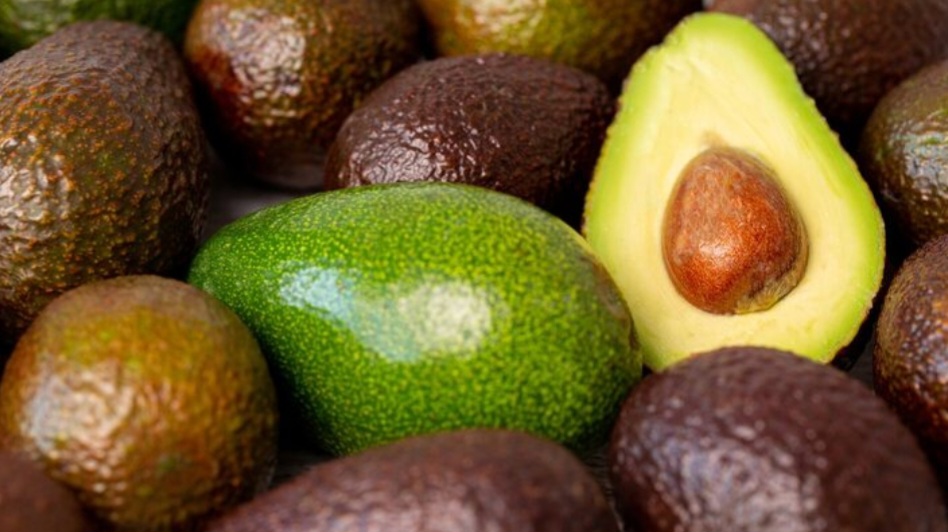
At Dharja village, farmer Rohit Mehta has taken a pioneering step by establishing Solan’s first organized avocado orchard on nearly a quarter hectare of land. Under the Department of Horticulture’s MIDH scheme, he has planted 70 saplings of four promising avocado varieties, Hass, Pinkerton, Lamb Hass, and Fuerte. What may appear to be a small orchard today could pave the way for a much larger horticultural shift in the region.
The idea of growing avocado in Solan is not entirely new. In 2025, a few avocado plants were introduced at PCDO Gaura, where their healthy growth sparked optimism about the crop’s suitability to local conditions. Even more encouraging is the fact that avocado plants planted in some parts of Solan during the late 1980s have continued to thrive, providing valuable evidence of the fruit’s ability to adapt and perform well over the long term.
Experts believe that areas located up to around 1,400 metres above sea level, if supported by suitable soil, climate and proper orchard management, could be well suited for avocado cultivation. This has generated growing interest among horticulturists and progressive farmers seeking alternatives to conventional fruit crops.
For many growers, avocado represents more than just a new fruit. It offers the possibility of reducing dependence on traditional crops and creating an additional source of income. With consumer demand for nutritious and premium fruits steadily increasing across India, avocado has emerged as a lucrative option with strong market potential.
However, experts caution that diversification should be undertaken carefully. Rather than replacing existing orchards entirely, farmers may benefit by integrating avocado alongside established fruit crops. Access to quality planting material, scientific guidance, irrigation facilities and reliable markets will be crucial for the crop’s long-term success.
Solan’s diverse climate and strong horticultural heritage make it an ideal region to experiment with such high-value crops. The Dharja orchard is expected to serve as a demonstration model, helping other farmers understand the crop’s requirements and potential benefits. If successful, similar plantations could gradually spread to other suitable mid-hill areas of Himachal Pradesh.
The Department of Horticulture is expected to play a key role in this journey by promoting demonstration projects, identifying suitable cultivation zones, supplying quality plants and providing farmers with technical support from planting to marketing.
As climate patterns and market dynamics continue to evolve, the future of horticulture may depend increasingly on innovation and diversification. For Solan’s farmers, avocado cultivation represents an opportunity to embrace change while building a more resilient and profitable farming system.
The small orchard at Dharja may be just the beginning, but it has already planted a larger idea: that the next chapter of Himachal Pradesh’s horticultural success story could include avocados alongside its traditional fruit crops, creating new avenues of prosperity for growers across the region.