Building Roads: How Himachal is Transforming Connectivity Across Hills
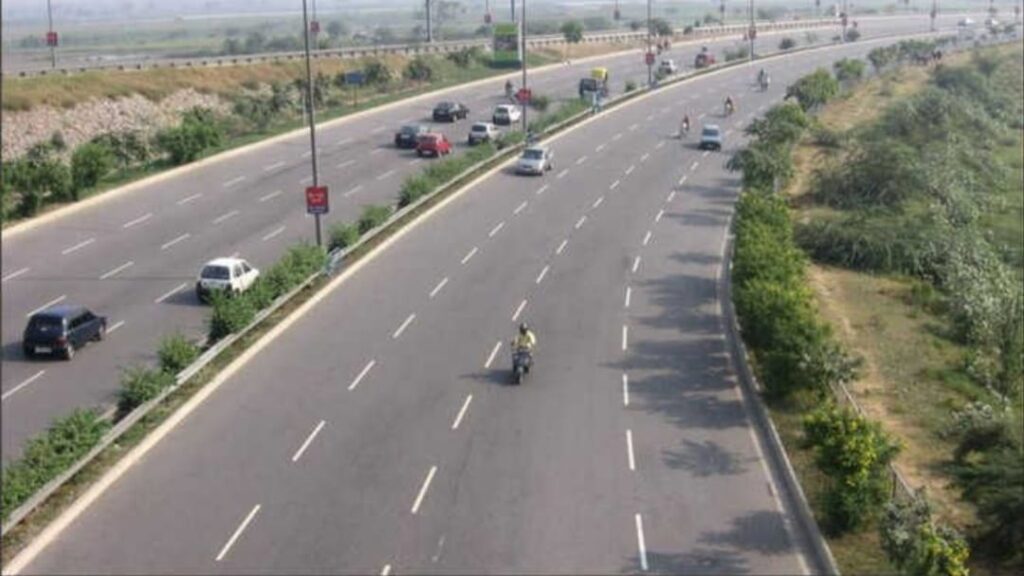
For the people of Himachal Pradesh, roads are far more than strips of asphalt winding through the mountains. They are lifelines that connect remote villages to schools, hospitals, markets and opportunities. Recognizing this crucial role, the State Government under Chief Minister Thakur Sukhvinder Singh Sukhu is taking a comprehensive approach to strengthen road infrastructure, focusing not only on construction but also on safety, sustainability and smarter management.
With more than 41,900 kilometres of motorable roads connecting over 15,600 villages, maintaining connectivity across Himachal’s rugged terrain is no easy task. Frequent rains, landslides and water seepage often damage roads, disrupting daily life and economic activity. To tackle one of the biggest causes of road deterioration, the government introduced a new Road Drainage Policy in February 2026, placing greater emphasis on scientific drainage planning and water management.
The policy aims to ensure that roads are designed with local rainfall patterns and terrain conditions in mind. Special focus is being given to landslide-prone areas, while efforts are underway to prevent drains from being blocked or misused. The objective is simple: keep roads stronger and usable for longer periods, even in challenging weather conditions.
Improving connectivity in remote regions is another key priority. The government has established uniform guidelines for jeepable and ambulance link roads, ensuring that smaller roads meet common standards for width, drainage, slope protection and safety. These improvements are expected to provide communities in far-flung areas with more reliable access to healthcare facilities, markets and essential services.
Alongside new construction, the State is also focusing on protecting existing road assets. The Himachal Pradesh Road Infrastructure Protection (Amendment) Bill, 2026 introduces digital and geo-coordinated mapping of road infrastructure. This modern approach will help authorities monitor road conditions more effectively, improve enforcement and speed up restoration work whenever damage occurs.
Technology is increasingly becoming a cornerstone of road management. A centralized Road Status Information System is being planned to provide real-time information on road closures, restoration efforts and connectivity, particularly during monsoon seasons and natural disasters. Such a system could prove invaluable for residents, travelers and emergency services alike.
The Public Works Department is also moving towards greater digitization through the Works and Accounts Management Information System (WAMIS). By bringing measurements, billing and other administrative functions onto a shared digital platform, the system is expected to improve efficiency, transparency and access to information.
Road safety remains at the heart of these reforms. The Road Safety Audit Policy, approved in July 2026, mandates safety reviews at multiple stages of road projects. Potential hazards can now be identified during planning, construction and even after roads become operational. To further strengthen oversight, a dedicated Road Safety Cell is being established at the Public Works Department headquarters.
Maintenance practices are also being modernized. A new Standard Operating Procedure for patch repairs lays down clear standards for fixing potholes and damaged road surfaces, including timelines, materials and accountability measures. The goal is to ensure faster and more reliable repairs across the State.
Innovation is another area where Himachal is looking ahead. Pilot projects are testing advanced road construction and repair technologies such as Cement Grouted Bituminous Macadam (CGBM) and CEMECO Technopatch-EX, particularly for areas vulnerable to water damage and monsoon-related wear and tear.
In a forward-looking move, the government is also exploring underground multi-utility ducts that could carry water, electricity and telecommunication lines through common corridors. Such infrastructure would reduce repeated road cutting for utility work, helping preserve road quality while minimizing inconvenience to commuters.
Taken together, these initiatives reflect a significant shift in the State’s approach to infrastructure development. Rather than focusing solely on building more roads, the government is working towards creating a resilient, technology-driven and well-maintained road network.
For Himachal Pradesh, the long-term vision is clear: safer roads, stronger connectivity and uninterrupted access to services and opportunities for people living in every corner of the State. In a region where roads often determine the pace of development, investing in their future is ultimately an investment in the future of its people.