How Sukhu Govt’s Pilgrim Routes and Free Passes Are Touching Lives Across Himachal
:
For the elderly woman clutching her prayer book, the winding roads to Shikari Devi used to feel like an impossible dream. For the schoolgirl in a remote village, the daily commute to class often meant skipping meals to save on fare. But today, across Himachal’s breathtaking landscapes, a quiet shift is happening—one that is turning daily struggles into stories of relief.
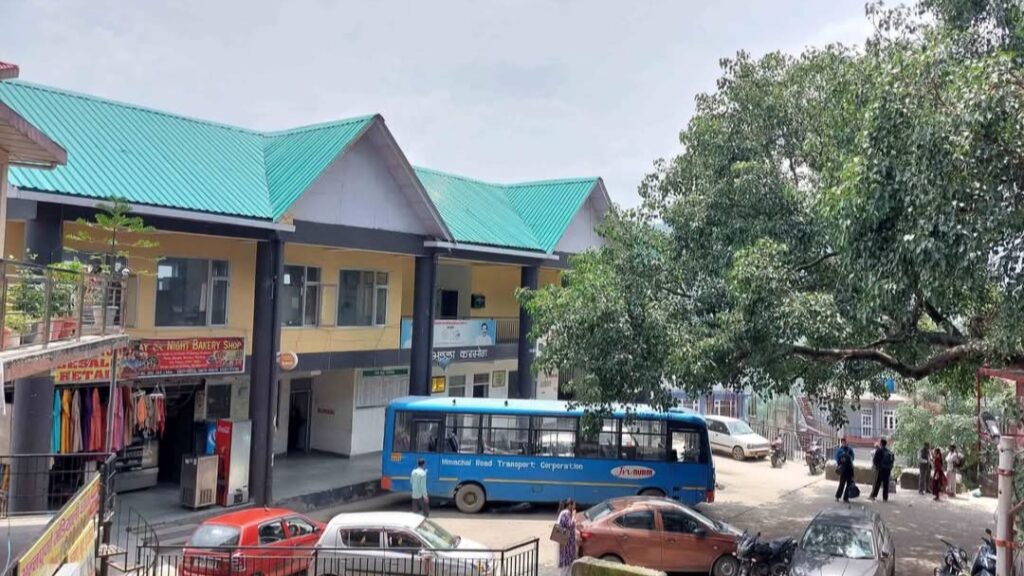
The Sukhu government’s much-talked-about Pratham Darshan Scheme isn’t just a policy on paper; it’s a lifeline. Run through the state’s HRTC network, this initiative has thrown open the doors to the state’s most revered temples. The numbers tell one story, but the reality on the ground tells another. Take the Karsog depot, for instance. At precisely 9:30 AM each morning, a designated bus rolls out from the Karsog stand, carrying hopeful pilgrims straight to the doorstep of Mata Shikari’s shrine. No haggling with private cabbies, no exhausting multi-bus transfers. By afternoon, the same bus gently ferries them back home, their hearts full and their wallets intact.
And it’s not just the devotees who are smiling. In a pleasant twist, what’s good for the public is also good for the state’s coffers. Since rolling out this service, the Karsog depot has clocked a neat revenue bump of nearly ₹100 per kilometer. It’s a rare, beautiful win-win—proving that when the government gets the basics right, everyone benefits.
But the government’s golden ticket goes far beyond pilgrimages. Enter the Him Bus Pass—a simple card that is quietly becoming a symbol of dignity and independence. Right now, a staggering 22 different categories of people are traveling for free or at heavily subsidized rates. Let’s put that into perspective: in the Karsog region alone, a whopping 9,166 passes have been handed out.
Think about what that means. For 6,350 women, it’s the freedom to visit the market, see a doctor, or visit their parents without having to ask for bus fare from their husbands. For 1,581 government school students, it’s the assurance that they can chase their textbooks without the anxiety of monthly travel expenses. And most crucially, for 969 specially-abled Divyangjans, it is accessibility and a sense of belonging in a world that often forgets them.
N.K. Chandla, the Regional Manager at Karsog, sums it up best, without any bureaucratic gloss: “We are just following the state’s directives, but honestly, the real reward is seeing the relief on people’s faces. Whether it’s a student heading to school or a grandparent heading to the temple—if we can make that journey easier, we’ve done our job.”
In a state where every mile is a steep climb, these schemes are finally turning the tide—proving that the shortest distance between a government and its people is a bus ride that truly cares.