Shimla Moves to Protect Its Green Heritage with Ban on New Construction in Core Areas
In a major step towards preserving the fragile ecology of Shimla, the Himachal Pradesh government has decided to impose strict restrictions on new construction in several parts of the city’s core area. The move is aimed at safeguarding the hill station’s shrinking green cover, easing pressure on its overburdened infrastructure, and creating much-needed “green lungs” for future generations.
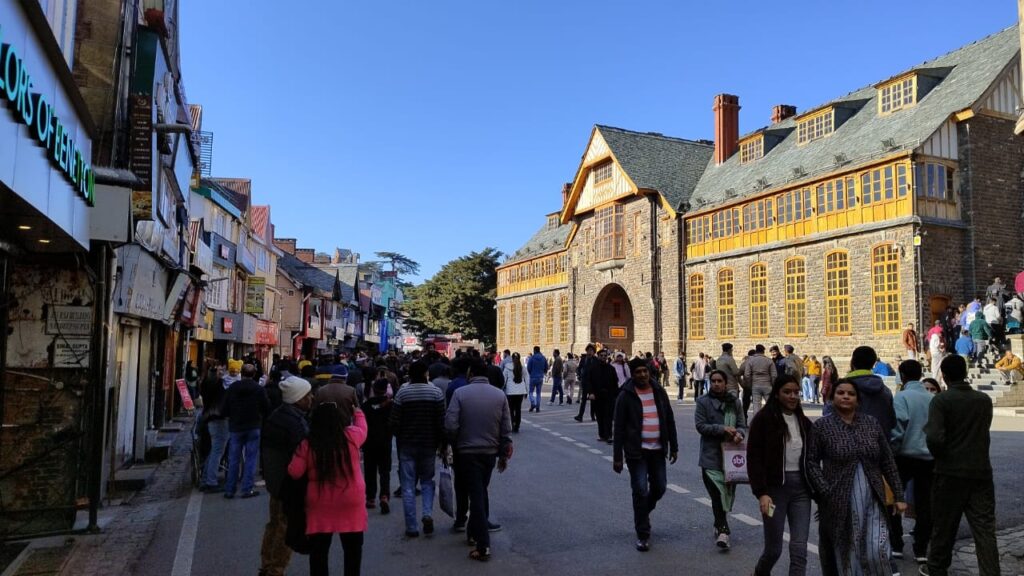
Once designed to accommodate a population of around 25,000, Shimla today is home to more than three lakh residents and witnesses a massive influx of tourists every year. During the recent summer season alone, nearly 40,000 vehicles entered the city daily, highlighting the growing pressure on the town’s roads, resources and environment.
To address these concerns, the state Cabinet has reportedly approved a blanket ban on fresh construction in most of Shimla’s central areas. However, exemptions will be available for essential public-use government buildings and for the reconstruction of old structures on their existing lines.
Town and Country Planning Minister Rajesh Dharmani said the decision reflects the government’s commitment to preserving Shimla’s natural beauty. He emphasized that visitors are drawn to the hill station for its forests, scenic landscapes and pleasant environment, not for unchecked concrete development that resembles urban centres in the plains.
The areas likely to come under the construction ban include prominent locations such as Sanjauli, Lakkar Bazaar, the Ridge, Mall Road, Rani Jhansi Park, Indira Gandhi Medical College, Chotta Shimla and adjoining stretches. Many of these areas were originally part of the city’s protected green belts.
Shimla’s green belts have long served as vital ecological buffers. In 2000, the state government notified 17 green belts covering more than 414 hectares and declared them no-construction zones. Although certain need-based developments were later permitted under the Shimla Development Plan-2041, concerns over rapid urbanisation and environmental degradation have continued to grow.
The decision gains added significance in light of recent findings that parts of Shimla are experiencing a noticeable rise in temperatures. A study commissioned by the Shimla Municipal Corporation found that land surface temperatures in several urban pockets of the city have increased by as much as 1.7 to 2.5 degrees Celsius over the past decade. Areas witnessing extensive residential and commercial construction were identified as the most affected.
Experts warn that the loss of green spaces not only impacts biodiversity but also contributes to rising temperatures, water stress and increased vulnerability to natural disasters. In a hill town already grappling with traffic congestion, limited land availability and climate-related challenges, preserving remaining green cover has become increasingly important.
The government’s latest move is therefore being seen as an effort to strike a balance between development and environmental sustainability. If implemented effectively, the restrictions could help protect Shimla’s unique character, improve urban livability and ensure that the “Queen of Hills” retains the natural charm that has attracted visitors for generations.
As the proposal moves towards public consultation, residents and stakeholders will have an opportunity to share their views. The decision marks a significant moment in Shimla’s urban planning journey, signalling a shift towards more environmentally conscious development in one of India’s most iconic hill stations.