Natural Farming Gains Momentum in Himachal as Government Strengthens Support for Farmers
Himachal Pradesh is steadily emerging as a model for sustainable agriculture, with the state government placing farmers and natural farming at the centre of its rural development strategy. Under the leadership of Chief Minister Thakur Sukhvinder Singh Sukhu, several initiatives have been launched to boost farm incomes, promote eco-friendly cultivation practices and create better marketing opportunities for agricultural produce.
Agriculture and allied sectors continue to be the backbone of the state’s rural economy, and the government is increasingly focusing on natural farming as a way to improve both farmers’ livelihoods and environmental sustainability.
A major milestone came when Himachal became the first state in the country to offer a Minimum Support Price (MSP) for naturally grown crops. Since the introduction of the scheme, the government has gradually increased support prices to encourage more farmers to adopt chemical-free farming practices.
At present, farmers practicing natural farming receive an MSP of ₹80 per kilogram for wheat, ₹50 per kilogram for maize, ₹150 per kilogram for raw turmeric and ₹30 per kilogram for ginger. In a first-of-its-kind initiative, Pangi Valley in Chamba district has been declared Himachal Pradesh’s first Natural Farming Sub-Division. Farmers in the region are also being provided an MSP of ₹80 per kilogram for naturally grown barley.
The growing popularity of natural farming is reflected in procurement figures. During the 2024-25 financial year, 838 farmers sold over 2,123 quintals of naturally grown wheat through government procurement centres. In the current Rabi season, participation more than doubled, with 1,891 farmers selling nearly 2,680 quintals of wheat. To support the initiative, procurement and marketing centres have been established across all districts, ensuring farmers have easy access to assured markets.
The government is also working to promote Himachal’s unique agricultural products, particularly those grown in tribal and remote regions. Farmers from several panchayats in Pangi Valley have already successfully marketed naturally grown barley at attractive prices, giving a fresh boost to traditional farming practices.
The focus on natural farming extends to remote areas as well. During his recent visit to Bara Bhangal, Chief Minister Sukhu directed officials to develop the region as a Natural Farming Panchayat and provide full support to local farmers. He also emphasized efforts to secure a Geographical Indication (GI) tag for the area’s famous Rajmah, a step that could significantly enhance its market value and recognition.
Natural farming is now being practiced by more than 2.56 lakh farmers across nearly 44,785 hectares of land in the state. To further strengthen market linkages, the Agriculture Department is planning to establish a dedicated marketing wing for branding, promotion and sale of natural farming products.
Alongside policy support, the government is focusing on technology-driven agricultural development. Efforts are being made to ensure that innovations developed in research laboratories reach farmers and contribute to higher productivity and sustainability.
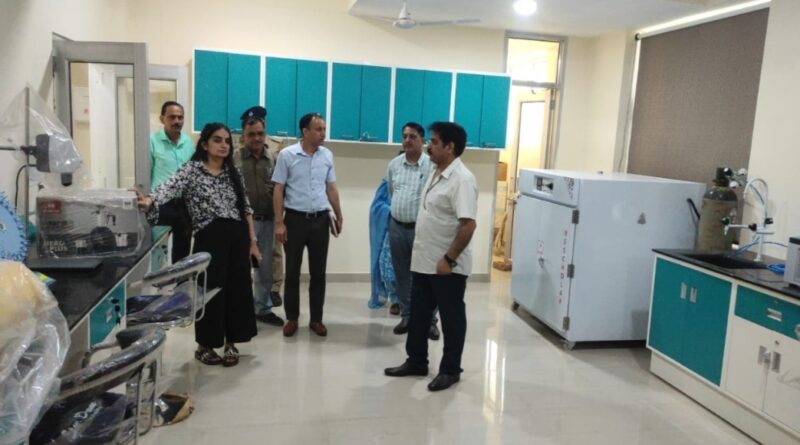
To strengthen quality assurance, the state is setting up a State Residue Testing Laboratory in Hamirpur at a cost of ₹8.64 crore. Equipped with advanced testing facilities, the laboratory will verify the quality, purity and authenticity of agricultural produce, particularly natural farming products. It will also support seed testing and help build consumer confidence in Himachal’s farm produce.
With sustained policy support, assured procurement, scientific infrastructure and a strong push for natural farming, Himachal Pradesh is carving out a distinct identity in sustainable agriculture. The government’s initiatives are not only helping farmers earn better incomes but are also laying the foundation for a more resilient and environmentally responsible rural economy.