Beyond Chitta: Call for a Broader Fight Against Drug Abuse in Himachal
The Himachal Gyan Vigyan Samiti has welcomed the state government’s recent move to administer an oath to newly elected Panchayat representatives for creating “Chitta-free” villages. However, the organization believes that the goal should go much further—towards making Himachal Pradesh entirely drug-free.
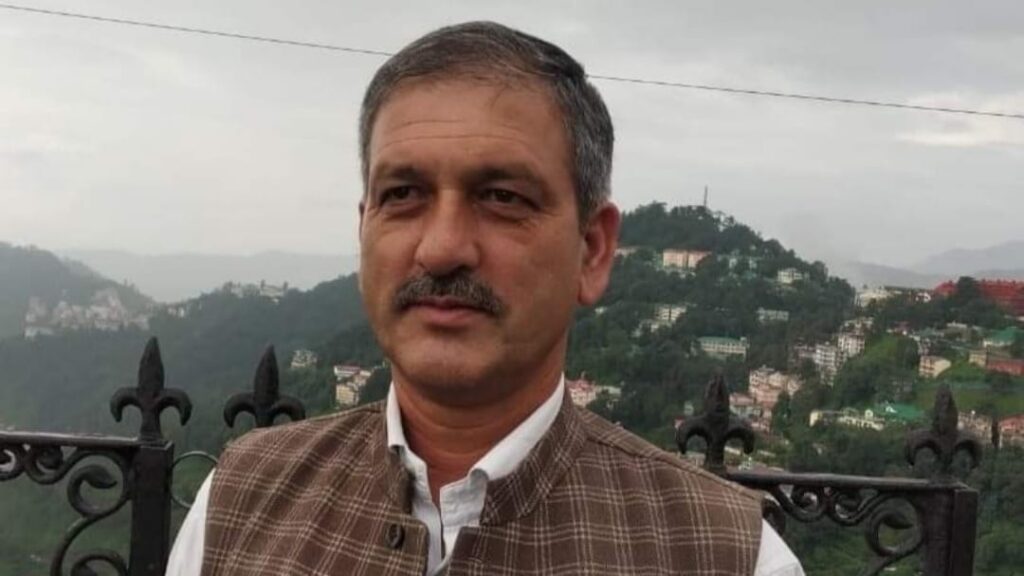
Speaking on behalf of the group, State Secretary Satyawan Pundir emphasized that focusing only on “Chitta” (a commonly referred synthetic drug) is not enough to tackle the growing problem of substance abuse in the state. He said the issue is far more widespread and deeply rooted.
Citing data from the National Family Health Survey, Pundir pointed out that Himachal Pradesh ranks among the leading states in North India when it comes to alcohol consumption. Nearly 30 percent of men above the age of 15 consume alcohol—significantly higher than the national average. While the percentage among women is much lower, at around 0.6 percent, the numbers still reflect a concerning trend. Even more worrying, he noted, is that alcohol consumption is higher in rural areas than in urban ones.
Apart from alcohol, tobacco use is also widespread. Nearly 28.9 percent of adult men in the state use tobacco in one form or another. According to Pundir, substances like bidis, cigarettes, and chewing tobacco often act as a gateway to more serious addictions. Many individuals begin with these and gradually move toward more harmful drugs.
He stressed that if the government is serious about addressing addiction, it must adopt a comprehensive strategy that targets all forms of substance abuse—not just Chitta. This includes tackling alcohol, tobacco, cigarettes, and the growing presence of other synthetic and chemical drugs, some of which are proving to be even more dangerous.
Pundir also raised a crucial question: Is the aim to make Himachal Chitta-free or completely drug-free? He believes that limiting the campaign to one substance risks overlooking the broader and more complex reality of addiction in the state.
The Samiti further cautioned that symbolic steps like oath-taking ceremonies or awareness events alone will not bring lasting change. Instead, what is needed is a sustained, ground-level effort. They have called on the government to actively involve Panchayats, women’s groups, youth organizations, and civil society in building a strong social movement against drug abuse.
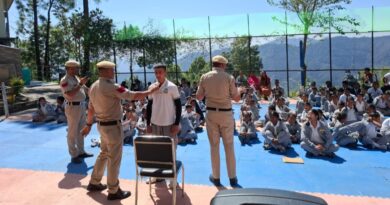
Special emphasis, they say, should be placed on awareness programs in schools and colleges, targeting adolescents and young people who are particularly vulnerable. By educating them early and creating supportive community structures, the state can take meaningful steps toward reducing addiction.
In essence, the message from the Himachal Gyan Vigyan Samiti is clear: tackling drug abuse requires a holistic approach—one that goes beyond slogans and addresses the issue in its entirety.