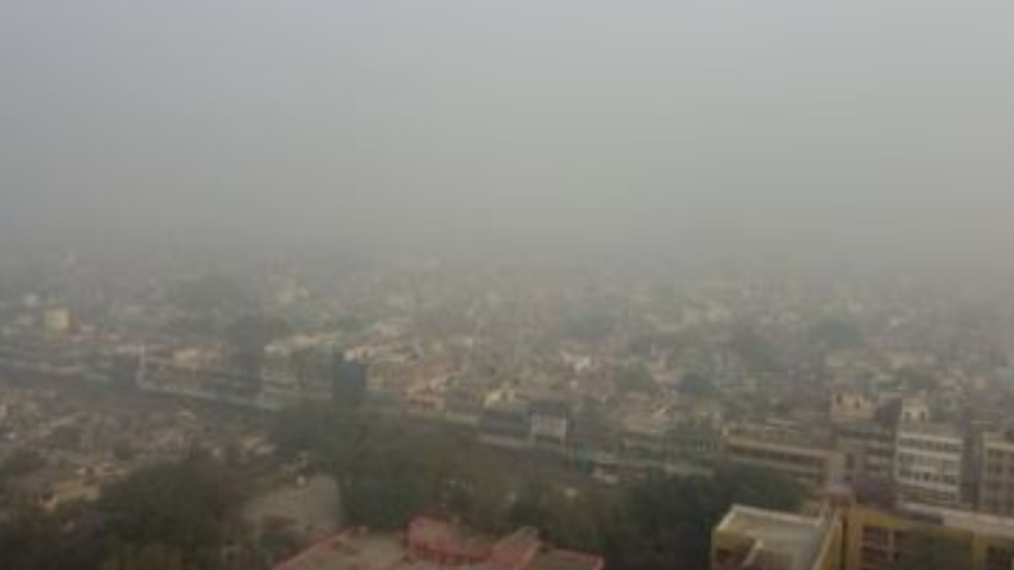
Breathing Becomes a Battle: Baddi’s Air Turns Hazardous
A City Choking on Its Own Growth
Just as Delhi struggles with weeks of suffocating smog, Himachal Pradesh’s industrial hub Baddi has slipped into a dangerous zone. On Thursday evening, the Air Quality Index (AQI) hit 345, a level considered “hazardous” and deeply worrying for public health.
Who’s Most at Risk?
An AQI above 200 is already unsafe, especially for:
- Children with developing lungs
- Elderly citizens with weaker immunity
- Patients with asthma, bronchitis, or heart disease
In Baddi, the culprit is PM2.5, fine particles so tiny they can travel deep into the lungs and even enter the bloodstream.
The Numbers Tell the Story
- AQI: 345 at peak, later dipping slightly to 280 but still unsafe
- PM2.5: 455 (dangerously high)
- PM10: 483
Health experts warn that breathing this air can cause persistent cough, throat irritation, breathing difficulties, and in the long run, heart attacks or strokes.
Why Is This Happening?
Environmental experts point to:
- Industrial emissions from factories
- Vehicular exhaust from overloaded trucks
- Pet coke fuel use, allowed by the state but poorly monitored
Together, these factors have turned Baddi’s air into a toxic cocktail.
Steps Being Taken
Assistant Environment Engineer Pawan Chauhan has urged immediate action:
- Stop biomass burning
- Sprinkle water on dusty roads
- Improve road maintenance
- Tighten traffic management with police support
- Crack down on overloaded vehicles and enforce pollution checks