Himachal’s Tourism Makeover: From Neglect to Eco-Adventures and Livelihood
Himachal Pradesh is undergoing a historic transformation in tourism, with the state government’s vision of Vyavastha Parivartan reshaping how nature, livelihoods, and economic growth come together. Chief Minister Thakur Sukhvinder Singh Sukhu said the new approach marks a clear departure from years of neglect, turning natural resources into engines of opportunity.
One of the biggest highlights is the development of Pong Dam Lake, a Ramsar Wetland, into a premier bird-watching destination. Between November and February, thousands of migratory birds from Siberia and Mongolia arrive here, and soon visitors will be able to enjoy shikara rides and floating bird-watching decks, blending ecology with tourism.
The Chief Minister pointed out that the Pong Dam Bird Sanctuary at Nagrota Surian now offers guided bird-watching tours, while the Regional Water Sports Centre at Khatiyar has introduced boating, canoeing, kayaking, sailing, rowing, and even water skiing.
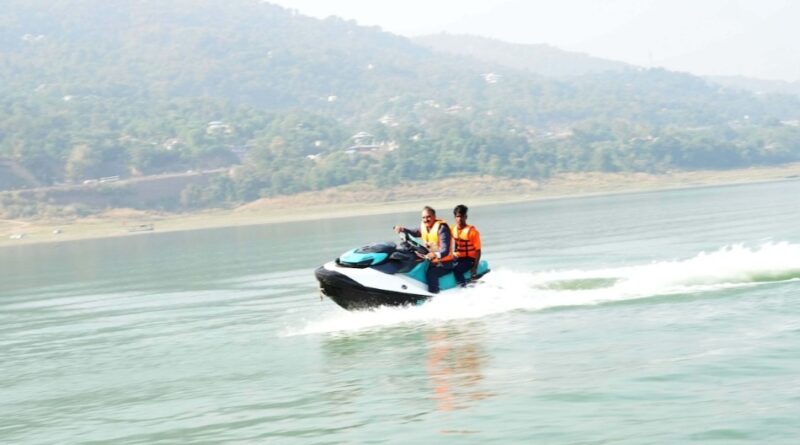
Other lakes, once ignored, are also being revived. Gobind Sagar in Bilaspur and Tattapani near Shimla have been transformed into vibrant hubs where tourists enjoy speed boats, houseboats, jet skis, and water scooters. Bilaspur, in particular, is emerging as a national hub for water-based adventure tourism, supported by festivals and local employment initiatives.
“Tourism is not merely recreation—it is about livelihoods, dignity of labour, and inclusive growth,” Sukhu emphasized, noting that the changes are possible thanks to progressive policies and decisive governance.
Looking ahead, the state’s Eco-Tourism Policy aims to open 77 new eco-tourism sites across forest circles, projected to generate nearly ₹200 crore in the next five years. The vision is to make Himachal a global model for responsible tourism, where nature is protected and communities benefit directly.
To empower youth, the government has also launched the Chief Minister Tourism Start-Up Scheme, offering subsidies and support for homestays, hotels, and food vans. “This scheme is creating stakeholders, not spectators, in the tourism economy,” Sukhu said.
Together, these initiatives reflect the spirit of Vyavastha Parivartan—a shift from simply admiring natural resources to responsibly harnessing them for growth, jobs, and empowerment.



Himachal is heaven