Empty Fields and Empty Promises: Why the 2026 Budget Has Left India’s Farmers Fuming
For millions of farmers across India, the recently presented Central Budget for 2026-27 wasn’t just a document of numbers; it was a measure of hope. After a year of sluggish growth, falling crop yields, and mounting pressures, they watched, waiting for a signal that their plight was a national priority.
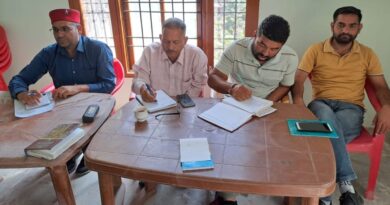
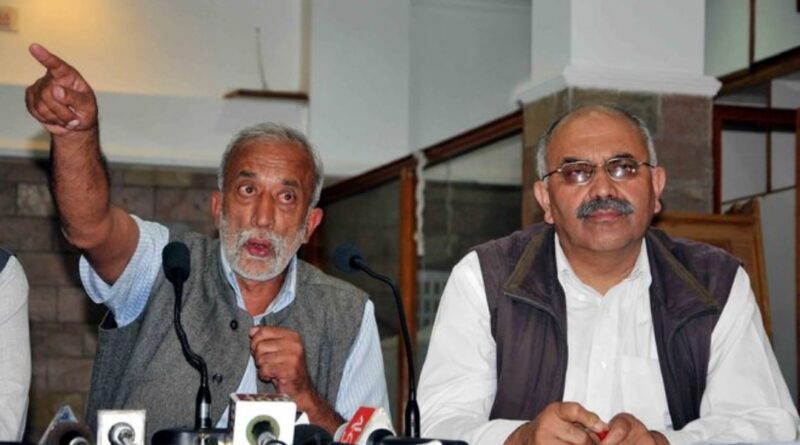
What they got, according to the All India Kisan Sabha (AIKS) and the Himachal Kisan Sabha (HKS), was a blueprint of neglect. In a fiery press note, the farmer unions have labeled the budget “anti-farmer, anti-worker, and anti-federalist,” calling for nationwide protests on February 3rd.
The Core Grievance: Agriculture Pushed to the Backburner
The feeling is one of profound disappointment. “It’s the same story every year,” the note suggests. “Our fields feed the nation, yet our sector gets only a passing mention in the big speeches.” The unions point out that while the Finance Minister spoke of agriculture, the actual figures tell a different tale.
The budget allocation for the Agriculture Ministry saw a meager increase that, when adjusted for inflation, feels like a step backward. This comes at a time when the government’s own Economic Survey admits that growth in the farm sector has slowed to a crawl, and our productivity for staples like pulses and grains lags far behind global averages.
Where’s the Relief? Cuts, Not Compassion
For farmers struggling with input costs, two decisions cut deep:
- The Fertilizer Subsidy Cut: A staggering reduction of ₹15,679 crore. In a time of rising prices, this directly hits the farmer’s pocket at the very first step of cultivation.
- Silence on Debt: The aching issue of agricultural debt, a spectre haunting countless families, found no mention. The hope for a comprehensive debt waiver policy was once again left unaddressed.
“It’s as if they expect us to produce more with less support,” the unions state, highlighting the cruel paradox of praising farmers as ‘annadatas’ (food providers) while squeezing the very resources they need.
A Broken Safety Net for Rural India
Perhaps the most alarming silence, as per the note, was on rural employment. There was no substantive talk of MGNREGA, the rural job guarantee scheme that acts as a crucial lifeline during lean agricultural seasons. The newly passed VB-GRAMG scheme, instead of strengthening this net, is accused of passing a massive financial burden onto already cash-strapped states.
“This isn’t just policy; it’s an attack on the dignity of rural labour,” the unions argue. They fear that with reduced central funding, states won’t be able to provide the guaranteed days of work, pushing rural households further into vulnerability.
A Call to Action: From Protest Pages to Protest Streets
Declaring that “polite requests have fallen on deaf ears,” the AIKS and HKS are taking a symbolic and direct stand. They have called on supporters to burn copies of the budget in villages and tehsils on February 3rd, a visceral act to show their rejection of its contents.
Furthermore, they are mobilizing to ensure a powerful turnout for the nationwide general strike scheduled for February 12th, aiming to channel the widespread rural anger into an undeniable political message.
The Bottom Line
The 2026 budget, from the perspective of these farmer unions, is more than a fiscal miss. It’s a failure of empathy and a missed historical opportunity. It has chosen, they allege, to offer rhetoric on cash crops like cashew and sandalwood over concrete action for the wheat, rice, and pulses that fill India’s plates. As the call for protests grows louder, it’s clear that for a vast section of India, this budget has sown seeds of discontent, not prosperity.
From -Vijoo Krishnan & Ashok Dhawale (AIKS), and Rakesh Singha & Dr. Kuldeep Singh Tanwar (HKS)