Himachal’s Farmers Face Crisis as Winter Rains Fail
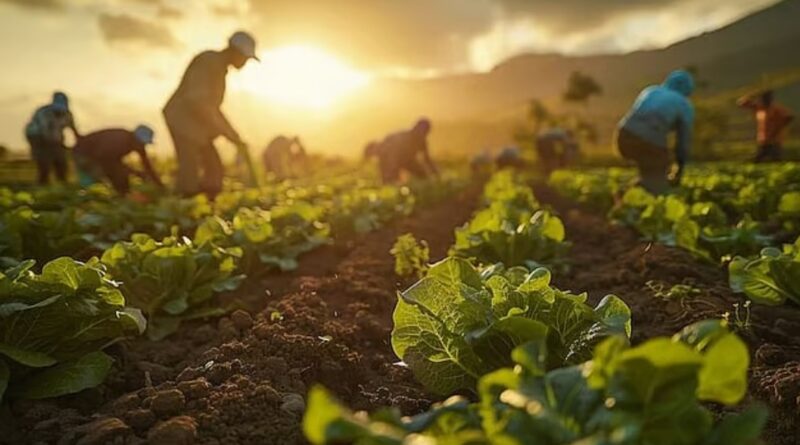
For farmers in Himachal Pradesh, winter rainfall is more than just weather—it’s life for their wheat fields, the state’s main rabi crop. This season, however, the skies have stayed stubbornly dry. The prolonged spell without rain has left fields parched, delaying sowing and now causing standing crops to wither, especially in Kangra district.
Most wheat in the mid and lower hills depends entirely on rain. But with only one weak spell of showers in the past six weeks, soil moisture has dropped sharply. Farmers who poured their savings into seeds and fertilizers now watch helplessly as their crops struggle to survive.
Agriculture experts warn that the lack of moisture during the crucial tillering stage could mean fewer productive stalks, poor grain formation, and smaller yields. Higher-than-normal temperatures are compounding the problem, pushing crops to mature too quickly and reducing grain size and weight.
Data from the India Meteorological Department paints a grim picture: between January and February 2026, Himachal received just 102 mm of rainfall against a normal of 187 mm—a deficit of nearly 45%. February was particularly dry, with rainfall down by more than 85%. Even December 2025 saw little rain, worsening the stress on fields and natural irrigation sources like streams and traditional kuhls.
For farmers, the worry is not just about this season’s harvest but also the future of water availability. With snowfall and rainfall both reduced, the state’s natural irrigation lifelines are under threat. What should have been a season of growth has instead become one of anxiety, as Himachal’s wheat farmers wait for the skies to finally open.