Growing Hope : Farmers Embrace Apples, Mushrooms, and Medicinal Plants
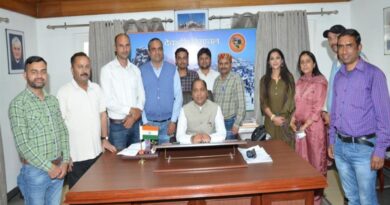
A team from the CSIR–Institute of Himalayan Bioresource Technology (CSIR-IHBT), Palampur, Himachal Pradesh, visited Aizawl, Mizoram, from February 2–4, 2026, to strengthen ongoing research and extension activities under the project “Inter-Institutional Programme Support on the Development and Sustainable Bioresources of Mizoram”, funded by the Department of Biotechnology, Government of India.
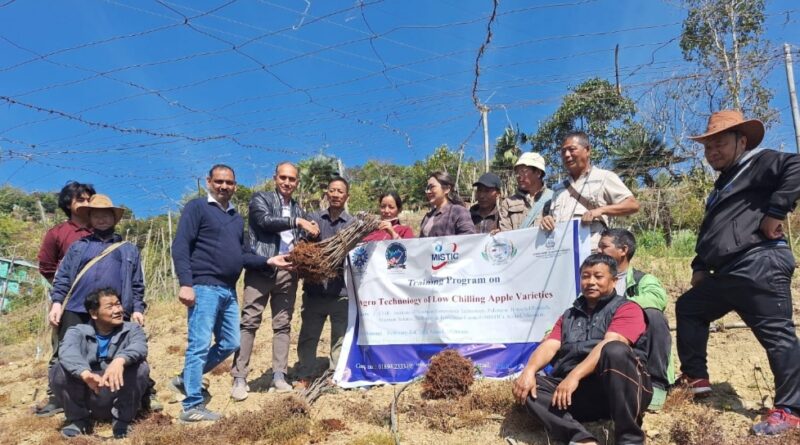
During their visit, the scientists met farmers in Durtlang and Sihphir villages, distributing low-chill apple saplings of Anna and Dorset Golden cultivars—varieties suited to Mizoram’s climate. They also organized a training and awareness programme on apple cultivation, shiitake mushroom farming, and aromatic and medicinal plants. The event drew more than 25 tribal farmers, state officials, scholars, and scientists, reflecting strong community interest in diversifying agriculture.
Dr. Sudesh Kumar Yadav, Director of CSIR-IHBT, emphasized that the project, run in collaboration with the Mizoram Science, Technology and Innovation Council (MISTIC) and the College of Horticulture, Thenzawl (CAU Imphal), is already showing positive results in improving farmers’ livelihoods. He noted that introducing suitable cultivars along with modern cultivation and processing technologies can significantly boost income and strengthen the rural economy.
Dr. Rakesh Kumar, Chief Scientist and Principal Investigator of the project, highlighted the importance of using scientifically validated planting material, adopting improved agronomic practices, and providing hands-on training to farmers—especially in rainfed and marginal areas.
This visit marks a meaningful step in CSIR-IHBT’s engagement with the North Eastern region, advancing sustainable cultivation, value addition, and entrepreneurship in crops tailored to Mizoram’s unique agro-climatic conditions. The collaboration with MISTIC signals a promising shift toward sustainable, tech-driven agriculture that empowers farmers and nurtures rural prosperity.
Would you like me to make this article more story-like and emotional, perhaps by weaving in the voices of farmers and their hopes for these new crops? That would make it even more relatable and human-centered.