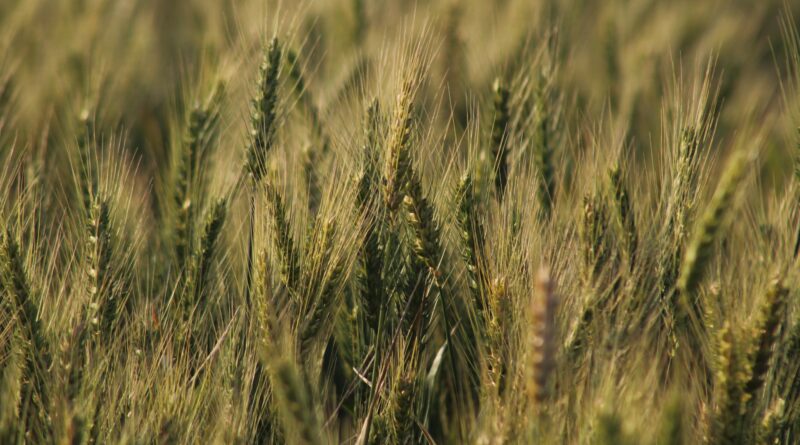
Dry spell heightens farmers’ anxiety: wheat and barley sowing stalled
Winter in Himachal’s hills usually paints a lively picture—snowflakes on rooftops, rain nourishing the soil, and farmers busy sowing their Rabi crops. But this year, silence hangs heavy over Kullu. For nearly three months, not a drop of rain has touched the earth. December is ending, yet the fields remain parched, and farmers sit waiting, eyes fixed on the sky.
Fields Waiting, Farmers Hoping
The soil has dried up, leaving wheat, barley, and other crops unsown. Normally, by November and December, fields would be green with new life. This time, they lie barren, as farmers wonder if the clouds will ever return.
Wheat and Barley in Trouble
Kullu usually sows wheat across 11,000 hectares, but nearly half of that land remains untouched. Barley too is struggling—only 200 hectares out of 2,400 have seen seeds go into the soil. Without moisture, farmers fear their hard work may never sprout.
Seeds Bought, But Still in Bags
Farmers have already purchased wheat, barley, oats, and potato seeds. Yet, without rain, those seeds remain in sacks, waiting. “I bought wheat seed weeks ago,” says Dilip Thakur, “but I can’t sow it. If rain doesn’t come soon, it will be impossible.”
Garlic Turning Yellow, Potatoes Unsold
Garlic crops are already showing stress, turning yellow in thirsty fields. Potato seeds too remain unsold, as farmers avoid planting in dry soil, fearing rot.
Irrigation Crisis and Fear of Snowfall
Some farmers managed to sow with limited irrigation, but the crops are weak, yellowing, and vulnerable to disease. Others worry that if snowfall comes before rain, unsprouted seeds will remain buried, leading to poor harvests and shrinking incomes.