Behind the Scenes in the Hills: What’s Changing in Himachal’s Land Laws?
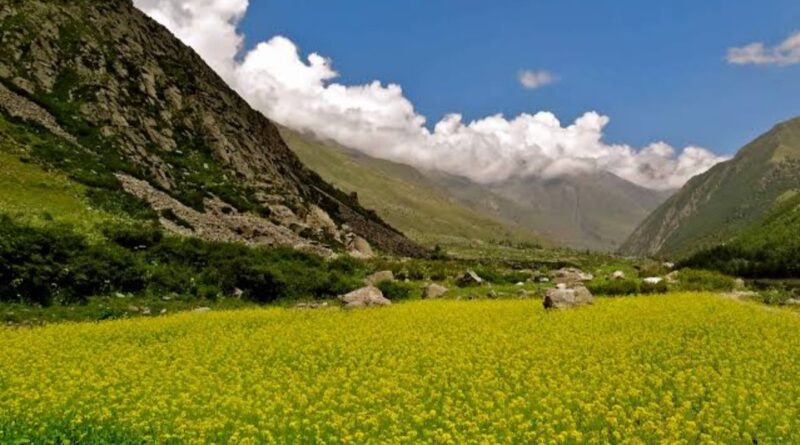
If you’ve ever travelled through Himachal Pradesh, you know the charm of its terraced fields, cedar forests, and quiet mountain villages. But while visitors soak in the scenery, the state’s lawmakers have been busy debating something that shapes the very soul of these landscapes — its land laws.
During the winter session at Tapovan, a major discussion unfolded around the Himachal Pradesh Land Tenancy and Land Reforms Amendment Bill, 2025. The bill, which proposes changes to the well‑known Section 118 (the rule that restricts land ownership by non-Himachalis), hit a roadblock. With the opposition raising concerns, the Assembly decided not to rush things and instead sent the bill to a select committee for deeper examination.
The committee — chaired by Revenue Minister Jagat Singh Negi — brings together a mix of ministers and MLAs from both the ruling and opposition parties. Their job is to comb through the proposed changes and decide what truly works for the state.
So what’s actually being considered?
The amendment aims to simplify land-related processes. A few highlights include:
- Allowing agricultural cooperative societies to lease land
- Letting non-agriculturists rent buildings in rural areas for up to 10 years
- Removing the need for fresh Section 118 permission when flats built under the same provision are transferred
Opposition leaders argued that these changes might impact Himachal’s long-term interests, especially its cultural and ecological balance. With no agreement in sight, the government chose the safer route — more discussion, more scrutiny, and hopefully, more clarity.
Now, with the committee officially notified and its members appointed, the next step is a detailed review. Their recommendations will shape how the bill returns to the Assembly in the coming session.
For travellers, this might seem like distant political chatter — but land laws are part of what keeps Himachal’s mountains unspoiled and its villages authentic. Understanding these shifts gives you a deeper appreciation of the place beyond its postcard beauty.