Dhami’s Pathar Mela: A Diwali Tradition Where Stones, Faith and Heritage Meet
While much of India celebrates Diwali with glowing lamps, sweets, fireworks and family gatherings, a small village near Shimla marks the festival in a strikingly different way. On the day after Diwali, stones fly through the air as villagers come together to keep alive a centuries-old tradition rooted in faith and folklore.
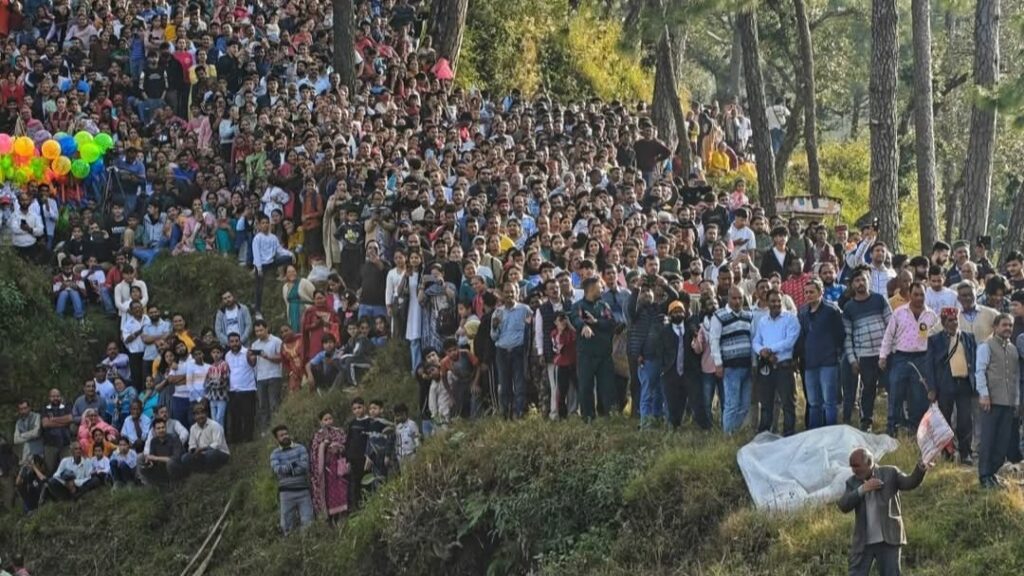
Known as the Pathar Mela, the unusual stone-pelting festival is held at Halog, the former capital of the princely state of Dhami, around 25 kilometres from Shimla. Every year, the fair draws local residents, devotees and visitors keen to witness one of Himachal Pradesh’s most distinctive cultural traditions.
A tradition rooted in an old legend
The origins of the Pathar Mela are closely linked to local folklore surrounding the erstwhile Dhami princely state.
According to a widely told legend, human sacrifice was once offered to appease the presiding deity and protect the region from disease, calamities and misfortune. The practice is believed to have changed after a queen of Dhami sought to bring an end to human sacrifice.
Local tradition holds that stone-pelting eventually emerged as an alternative ritual. Instead of human sacrifice, blood drawn from a participant injured during the stone-pelting would be used to apply a ceremonial tilak to the deity.
Different versions of the legend have survived over the generations, but for local residents, the Pathar Mela remains deeply connected to the history and religious traditions of the region.
When the stones begin to fly
The most dramatic moment arrives when the two traditional groups face each other for the ritual contest. Historically, residents associated with Halog and Jamog have participated in the event, though accounts differ on how the groups are identified.
Religious ceremonies, traditional music and processions set the stage before the stone-pelting begins.
Participants then hurl stones towards the opposing side according to the age-old custom. The ritual continues until the traditional condition for bringing the contest to an end is fulfilled.
For first-time visitors, the spectacle can be startling. Stone-pelting is normally associated with confrontation, but here it carries an entirely different meaning. For the local community, it is not simply an act of aggression but a ritual linked to faith, history and collective memory.
Traditionally, blood from an injured participant is used to apply a tilak to the deity, marking the culmination of the ceremony.
More than a stone-pelting ritual
Despite the dramatic nature of the ritual, the Pathar Mela is about much more than stones.
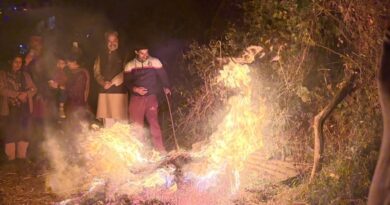
The fair brings together people from Halog and surrounding villages, including families who return year after year to witness a tradition they have known since childhood. Once the ritual concludes, the mood turns celebratory, with traditional music, social gatherings and festivities bringing the community together.
For younger generations, the fair offers a glimpse into the stories and customs that shaped the lives of their ancestors. For older residents, it is an opportunity to pass those traditions on.
At a time when urbanisation and changing lifestyles are rapidly transforming life in Himachal’s villages, festivals such as the Pathar Mela serve as living links with the past.
Keeping tradition alive in changing times
The unusual ritual also brings with it questions about safety.
Stone-pelting carries an obvious risk of injury, while the use of blood in the religious ceremony highlights the challenge of preserving an ancient tradition while adapting it to modern concerns about health and well-being.
Cultural traditions naturally evolve over time. For Dhami, the challenge is to retain the history, faith and identity associated with the Pathar Mela while ensuring the safety of those who participate in it.
A distinctive chapter in Himachal’s cultural heritage
Himachal Pradesh is home to a remarkable variety of Dev traditions, village fairs, folk performances and religious rituals, many of which are deeply connected to the history and geography of the hills.
Dhami’s Pathar Mela holds a particularly unusual place in this cultural landscape. Its story brings together royal history, folklore, religious belief and community participation.
What may appear to outsiders as an extraordinary spectacle carries a much deeper meaning for the people who have inherited the tradition.
As another Diwali brings villagers and visitors to Halog, the Pathar Mela continues to remind people of the extraordinary diversity of India’s festive traditions. For the people of Dhami, it remains more than an annual fair. It is a connection to their past, an expression of collective identity and a centuries-old tradition passed from one generation to the next.