Beyond Just Weeds: How Glyphosate Is Silently Harming Earthworms and Unbalancing Our Soils
A sobering new study out of Vienna is raising red flags about a hidden cost of glyphosate-based herbicides—one that goes far beyond killing unwanted plants. According to greenhouse research, these widely used chemicals don’t just knock back weeds; they also take a serious toll on earthworm activity and reproduction, while triggering a dramatic spike in soil nutrient levels that could have its own environmental fallout.
The research, published in Scientific Reports, focused on two common earthworm species found in farmlands across the globe. Between March and July 2013, scientists at the University of Natural Resources and Life Sciences Vienna ran a controlled experiment using Roundup, one of the most familiar glyphosate brands on the market. They applied it at a rate even below what the manufacturer recommends—making the results all the more striking.
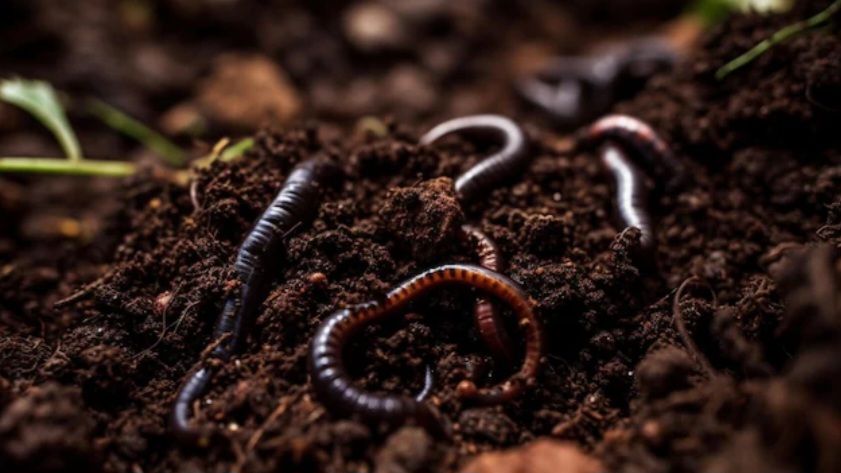
What they found was disturbing. For the deep-burrowing earthworm species Lumbricus terrestris, surface activity nearly ground to a halt about three weeks after spraying. By the four-week mark, the total weight of their nutrient-rich casts had plunged by 46% compared to untreated soil. Reproduction took a hit too. For another species, Aporrectodea caliginosa, the successful hatching rate of cocoons crashed from 71% down to just 32% after exposure.
Perhaps even more eyebrow-raising was what happened to the soil chemistry. Plant-available nitrate shot up by a staggering 1,592%, while phosphate levels climbed 127%. The likely reason? The herbicide killed off the plants that would normally soak up those nutrients, leaving them sitting loose in the ground—and raising the risk of them washing into nearby waterways or seeping into groundwater.
Why does this matter so much? Earthworms are the unsung heroes of healthy soil. As they tunnel through the earth, munch on organic matter, and leave behind their casts, they mix nutrients, keep the soil crumbly and aerated, and help water reach plant roots. Losing their activity doesn’t just affect the dirt under our feet—it can ripple upward, disrupting nutrient cycling, soil microbes, and ultimately, crop productivity.
The researchers are clear: this isn’t just an academic concern. With global pesticide use expected to climb, they argue that safety assessments can’t afford to focus only on the pests being targeted. They have to look at the bigger picture—the unintended victims like earthworms, and the fragile ecosystems that depend on them.
So the next time we reach for a weedkiller, it might be worth remembering: what damages the smallest creatures beneath us could, in the long run, damage the very ground we stand on.