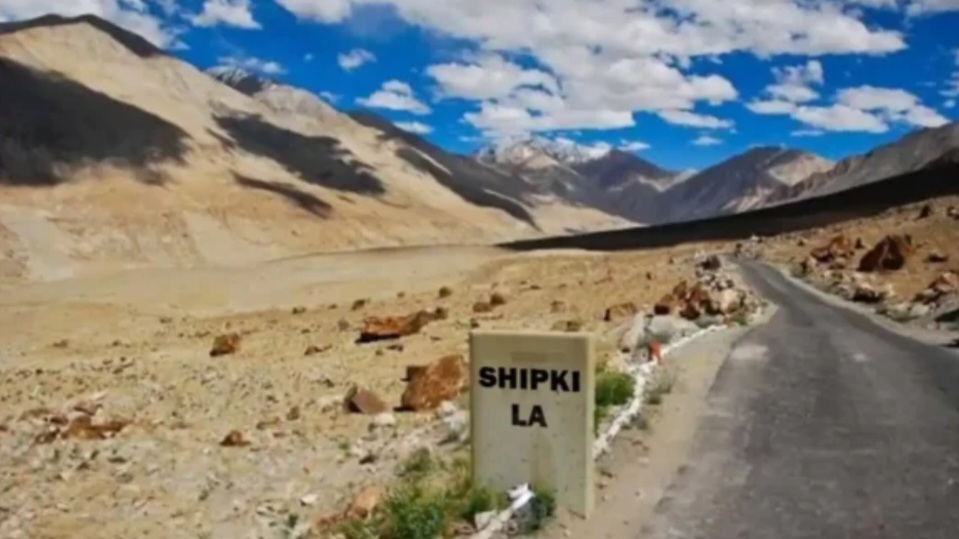
Shipki La to Reopen: Himachal’s Gateway to Tibet Revives Centuries-Old Trade
After six years of silence, the ancient trade route through Shipki La in Kinnaur is set to come alive again this June. Tribal Development and Revenue Minister Jagat Singh Negi announced that Indo-Tibet trade, suspended in 2020 due to the pandemic, will resume—bringing renewed hope for local traders and communities along the Himachal border.
For decades, restrictions and security concerns kept tourists and traders away from this high-altitude pass. Now, with curbs easing, the revival of commerce is expected to boost employment and breathe life into Kinnaur’s economy. Local unions had long pressed for this reopening, recalling how traditional barter once sustained livelihoods across the mountains.
Negi also urged the Union government to improve road connectivity at Shipki La, which could open the way for the Kailash-Mansarovar Yatra. Just a few kilometers of road, he noted, would make the sacred journey smoother and shorter, while also attracting adventure seekers and pilgrims from across the world.
🌄 A Trade Rooted in History
- In 1697, a treaty between Tibet’s Ganden Phodrang and Raja Kehari Singh of Bushahar guaranteed safe passage for traders.
- Goods once exchanged included Tibetan wool, salt, yak tails, and silk for Indian rice, textiles, copperware, and tea.
- Trust was sealed not by contracts but by gamgya—a folk oath of mutual faith.
- Trade halted during the 1962 Sino-Indian War, resumed in 1994, and was again disrupted by Covid in 2020.
Now, as weather improves and the pass prepares to reopen, Shipki La is more than just a border—it’s a bridge between cultures, economies, and centuries of shared history.