Himachal’s Green Revolution: How Eco-Tourism Is Bringing Nature, Jobs, and Joy Together
The Government of Himachal Pradesh is turning its breathtaking landscapes into hubs of sustainable tourism with a bold new eco-tourism policy. The plan? To develop 77 eco-tourism sites across the state’s forest circles, aiming to generate ₹200 crore in revenue over the next five years—while keeping nature at the heart of it all.
From snow-capped peaks to lush forests and sparkling rivers, Himachal has always been a magnet for nature lovers. Now, the state is inviting tourists to explore its beauty in a way that’s gentle on the environment and beneficial to local communities. The Eco-Tourism Policy 2024 is designed to balance tourism with conservation, ensuring that both visitors and nature thrive.
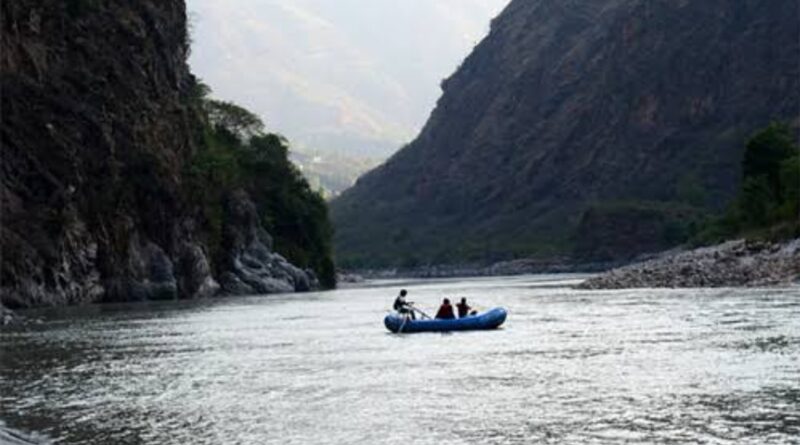
The initiative spans across scenic regions like Shimla, Kullu, Mandi, Dharamshala, Chamba, and more. Seven popular sites—including Potter Hill and Shoghi in Shimla, and Solang Nallah in Kullu—are already welcoming eco-tourists. Activities like trekking, bird watching, forest camping, and homestays offer immersive experiences while preserving the natural charm.
But it’s not just about tourism—it’s about transformation. Himachal is working to increase forest cover to 30% by 2030. Through the Rajiv Gandhi Van Samvardhan Yojna, local groups are planting and nurturing saplings across thousands of hectares, backed by a ₹100 crore budget. These green efforts are creating jobs, boosting the rural economy, and making the forests more inviting for eco-tourists.
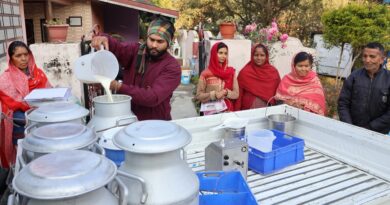
Local involvement is key. Eco-tourism committees are active in every forest circle, and over 200 locals have already been trained as guides and multi-purpose workers by the Himachal Pradesh Eco-Tourism Society (HPECOSOC). Their work ensures that tourism supports—not disrupts—the environment.
To make travel easier, over 100 forest rest houses and campsites are now bookable online. A trekking management system with 245 marked routes is in place, and a mobile app is on the way to help tourists plan their adventures.
The policy aligns with national environmental guidelines and is already showing results. In 2024, Himachal welcomed over two lakh tourists, including 82,000 international visitors—a 13% jump from the previous year. Tourism now contributes nearly 8% to the state’s economy.
In just two and a half years, Himachal Pradesh has laid the groundwork for a future where tourism and nature walk hand in hand. With its eco-tourism push, the state is not just protecting its natural treasures—it’s empowering its people and setting a shining example for sustainable development.