A Helping Hand, A Brighter Future: Sarkaghat’s Divyang Students Find Hope in State Scheme
For years, families with Divyang (disabled) children in Himachal Pradesh have navigated a quiet struggle—not just against societal perceptions, but against the very real challenges of affording an education. Now, a state government initiative is changing that narrative, one scholarship at a time.
What makes this scheme stand out is its heart. The government has chosen to look beyond income ceilings, focusing instead on potential. Any Divyang student studying in a government institution, with a certified disability of 40 percent or more, is eligible for support—from the first flutter of a textbook in Class 1 all the way to a professional degree.
The financial assistance, structured thoughtfully across educational levels, brings palpable relief. A young child in primary school receives ₹625 a month; a teenager navigating the pressures of high school gets ₹950. For those who must leave home to study, the hostel provisions—going up to ₹5,000 a month for professional courses—ensure that distance from home is no longer a barrier to ambition.
But numbers on a page only tell part of the story. The real impact is visible in the relieved smiles of parents who once worried endlessly about the future.
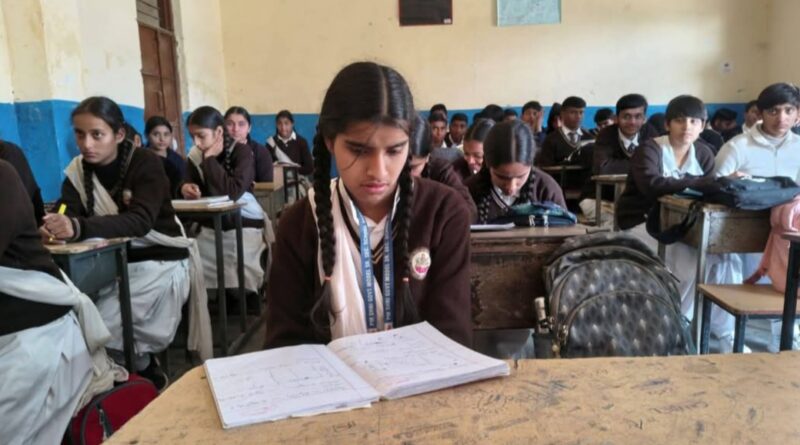
Take Manoj Kumar from Yoh village. His daughter, Ritika, who has a 60 percent disability, is now in Class 10 and receiving the scholarship. “It lifts a huge weight,” he shares, his voice carrying genuine gratitude. “The Chief Minister and the government have thought of children like my daughter.”
In Kharoh village, Mamta Banyal watches her daughter Rivanshu, who has an 80 percent hearing impairment, study for her Class 12 exams with renewed confidence. The scholarship, she says, is more than just money—it’s an acknowledgment that her daughter’s dreams matter. “It’s a very good step,” she adds softly, a sentiment echoed by her neighbor, Rajni Kumari, whose daughter Kanika is also benefiting from the scheme.
These are not just administrative successes; they are personal victories. Behind every verified form and medical certificate is a family breathing a little easier, a student feeling a little more seen.
In the end, this initiative feels less like a policy and more like a promise—a promise that a child’s potential will not be dimmed by physical limitation, and that the path to self-reliance will be paved with empathy and tangible support. For the families of Sarkaghat, and across the state, it is a welcome sign that their children are finally being given not just a scholarship, but a fair shot at the future.