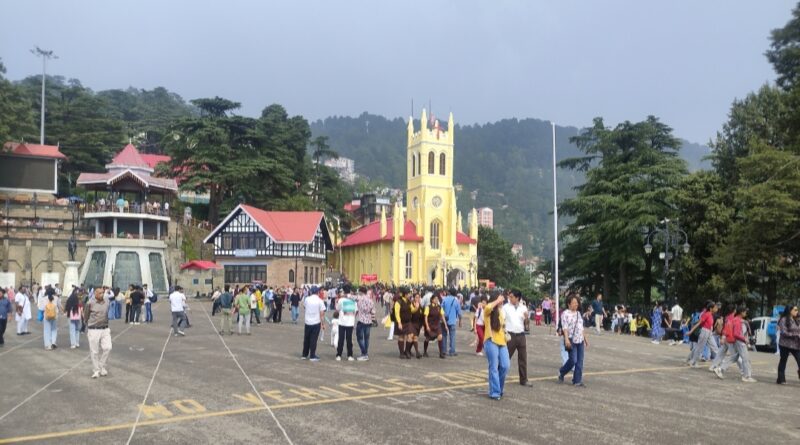
Warm Nights in Shimla, Cold Reality for Himachal’s Farmers and Tourism
As icy winds grip the higher reaches of Himachal Pradesh, Shimla—the state’s capital—has surprised many by recording the highest minimum temperature in the region. At 12.2°C in mid-December, the hill town’s unusually warm nights have sparked concern among environmentalists, climate observers, farmers, and hoteliers alike.
Weather experts note that such warmth is rare for Shimla in winter, last seen in December 1991 when the minimum touched 13.8°C. “This is not a routine fluctuation. Warmer winter nights in hill towns are a clear signal of changing climate behaviour in the western Himalayas,” cautioned an environmental expert.
Stark contrasts across Himachal
While Shimla stayed warm, tribal and high-altitude regions like Lahaul-Spiti and parts of Kullu shivered under sub-zero conditions. Kukumseri dipped to -4.1°C, Tabo to -2.3°C, and towns like Kalpa, Sundernagar, and Bhuntar reported much colder nights than the capital. Even tourist hubs like Manali (4.6°C) and Kufri (10.3°C) were cooler.
Farmers and orchardists anxious
Apple growers in Shimla, Kinnaur, and Kullu districts worry that the lack of winter chill will affect flowering and fruit-setting. “Without adequate snow, apple production suffers. Farmers are already anxious about the coming season,” said one orchardist. Meanwhile, fog in the plains is damaging vegetable crops, adding to farmers’ woes.
Tourism takes a hit
Hoteliers in Shimla say the absence of early snowfall is hurting winter tourism. “Tourists associate Shimla with snow. When nights stay warm and snow is missing, bookings take a hit,” explained a hotelier.
Hope in the forecast
The Meteorological Centre has predicted rain and snowfall in mid and higher hill districts over the next two days, offering some relief to farmers and orchardists. Yet, dense fog continues to disrupt daily life in Bilaspur, Sirmaur, and parts of Mandi, with a yellow alert in place.
Experts warn that erratic temperature patterns—warm nights, foggy plains, and delayed snowfall—are becoming the new normal in Himachal, with serious consequences for ecology, agriculture, and tourism.