NHAI, Swiss experts flag 84 danger zones on Manali route; Shimla stretch set for revamp
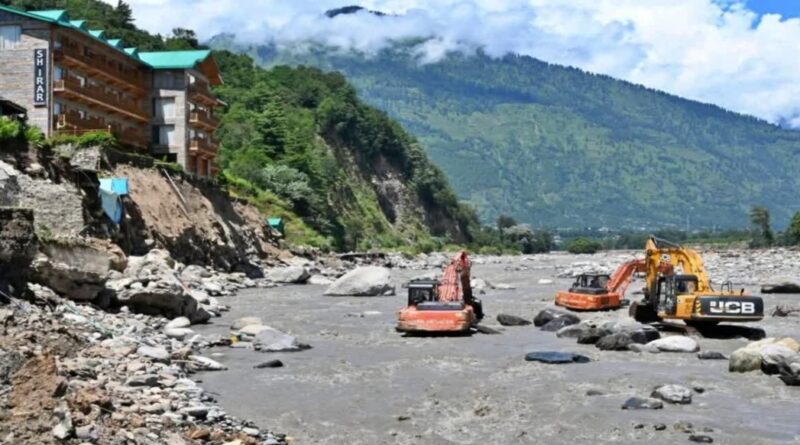
For thousands who travel Himachal Pradesh’s mountain highways, every journey is a mix of breathtaking views and lurking danger. Frequent landslides have turned routes like Chandigarh–Manali and Chandigarh–Shimla into risky passages, often cutting off lifelines for locals, tourists, and businesses.
In a major step forward, the National Highways Authority of India (NHAI), working with Swiss engineers, has identified 84 landslide-prone black spots on the Chandigarh–Manali highway. Once technical fixes are in place, travel time between Chandigarh and Manali could shrink to just 3–3.5 hours—making the road not only safer but faster.
The issue reached Parliament when Union Road Transport and Highways Minister Nitin Gadkari responded to concerns about fragile hill highways. He assured that advanced global technologies, including tunnels and modern slope-stabilisation methods, are being deployed to tackle recurring landslides.
Congress MP Priyanka Gandhi Vadra, a frequent traveller on the Shimla route, raised sharp questions about poor retaining wall designs that have worsened slope failures. Calling the highway a “lifeline” for Himachal, she stressed that repeated collapses have cost lives, damaged property, and disrupted traffic for years.
Gadkari admitted the seriousness of the problem, criticising poor-quality project reports and lapses in execution. He directed agencies to ensure robust planning and strict quality control, warning that substandard work will not be tolerated.
The Chandigarh–Shimla four-lane project has already faced scrutiny from the Himachal Pradesh High Court over unsafe hill cutting and delays. Priyanka Gandhi’s intervention has once again spotlighted the urgent need for safer, scientifically planned infrastructure in the fragile Himalayan terrain.
For locals, farmers, hoteliers, and tourists alike, these highways are more than roads—they are lifelines. Ensuring their safety means protecting livelihoods, boosting tourism, and securing the future of Himachal’s mountain communities.