NGT Halts Bijli Mahadev Ropeway, Citing Earthquake and Legal Concerns
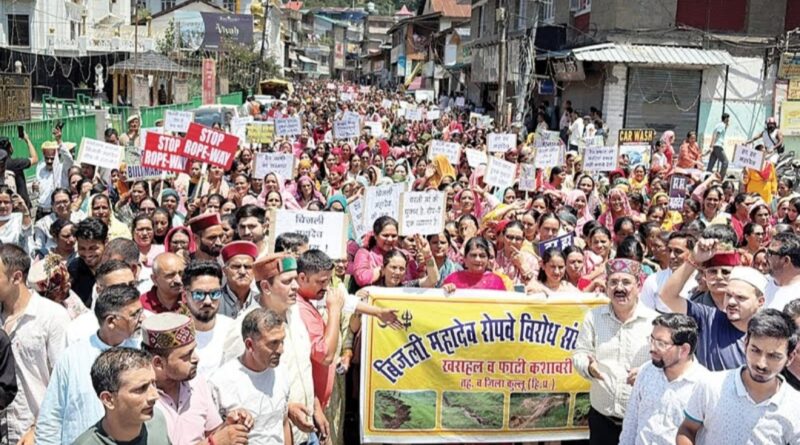
A major tourism project in Himachal Pradesh faces intense scrutiny after a national environmental court flagged serious safety and legal oversights. The proposed Bijli Mahadev Ropeway, a 2.4-kilometer aerial link in Kullu’s scenic Kharal Valley, has been ordered to justify its planning by the National Green Tribunal (NGT).
A Project on Shaky Ground
During hearings this week, the NGT’s principal bench raised alarms over potential violations of environmental laws and the Forest Rights Act (FRA). The court has given the Himachal Pradesh government three weeks to submit a detailed reply, pushing the next hearing to January 13, 2026.
At the heart of the dispute are two connected petitions filed by activist Nachiketa Sharma and the Bijli Mahadev Mandir Committee. The bench, led by Justice Prakash Shrivastava, identified a “common issue” of environmental norm violations in how the ropeway is being executed.
Earthquake Risk Higher Than Initially Acknowledged
Critics of the project presented a striking contradiction. They argued that while the project’s own feasibility report admits the area is prone to high-risk natural hazards like earthquakes and landslides, proper safety assessments haven’t been completed. The report itself states the region is in “Seismic zone-V” and warns that masonry structures should be avoided.
More critically, the applicants pointed out that the report uses an outdated seismic classification. India’s latest Bureau of Indian Standards (BIS) map now places the region in Zone-VI—the highest risk category for earthquakes. The Tribunal noted this upgrade is “not in dispute” and stressed that all planning must now adhere to Zone-VI requirements.
“The entire picture based upon the disclosures made in the feasibility report is not clear,” the NGT’s order stated, citing missing technical appendices that are crucial for a full evaluation.
Allegations of Forged Documents and Unsettled Rights
A significant legal hurdle emerged regarding forest rights. The applicants allege that a No Objection Certificate (NOC) submitted for the project is forged, and that the forest rights of 14 local villages remain legally unsettled. Official records, they claim, show settlements for only four villages.
State Pledges a Thorough Review
In response, Himachal Pradesh Advocate General Anup Rattan assured the court that the state would examine all raised issues thoroughly and provide a comprehensive response within the three-week deadline.
This directive marks a pivotal moment for the controversial project, which has been under public and legal scrutiny since its inception. The state’s reply in January will determine whether the ropeway can proceed or if the tribunal’s concerns will lead to a major redesign or even cancellation.