From Himachal’s Hills to the World: Natural Farming Story Wins Hearts and Minds
Nestled in the rugged terrains of Himachal Pradesh, a quiet agricultural revolution is finding its voice on the world stage. The state’s Rajiv Gandhi Natural Farming Prosperous Farmer Scheme, born from small fields and limited resources, is now sparking conversations far beyond India’s borders, captivating scientists and researchers alike.
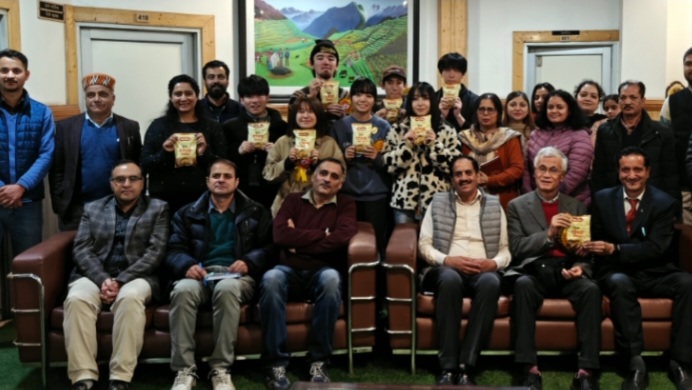
This global interest became wonderfully personal recently. On a Monday morning, the corridors of the Directorate of Agriculture in Shimla buzzed with a unique exchange. A curious research team, led by Japan’s Professor Dr. Osamu Yoshida from Hiroshima University, sat down with local officers not for a formal meeting, but for a genuine dialogue. They delved into the real stories behind the data: How does natural farming truly change a farmer’s life? What does science say about these age-old-yet-new methods?
At the heart of the conversation was Dr. Suresh Kumar Sharma, the state’s nodal officer, who painted a vivid picture with his words. He spoke of a farming philosophy that rejects chemicals, embraces low costs, and works hand-in-hand with nature. “It’s about strengthening the bond between the farmer and the earth,” he explained, highlighting a vision where both can thrive. The numbers he shared were staggering—over 2.23 lakh farmers have joined this movement, transforming nearly 38,500 hectares into vibrant, multi-cropped landscapes.
The ‘Him-Bhog’ Dream: From Local Doubt to Global Model
The discussion naturally turned to the state’s proud, and once doubted, gem: the ‘Him-Bhog’ model. Critics had questioned the government’s decision to buy naturally farmed maize and wheat directly from farmers at a premium and market the finished products themselves. Yet, this leap of faith paid off. Driven by purity and nutritional value, ‘Him-Bhog’ products carved out a beloved space in the market, proving that trust and quality can build a powerful brand.
Professor Yoshida and his team listened with keen interest. They didn’t just see a policy; they saw a successful case study. The conversation flowed easily, covering practicalities like cold storage for vegetables and even comparing challenges faced by farmers in Japan’s very different landscape. The atmosphere was one of mutual learning—a shared hope for future collaboration rooted in sustainable agriculture.
The room was full of passionate individuals, including Dr. Atul Dogra and Dr. Mohinder Bhavani, all united by a simple belief: that the path to a prosperous future lies in respecting the wisdom of the past and the science of the present. This wasn’t just a report on a scheme; it was a testament to human ingenuity and the global quest for a greener way forward.