Building Engineers Who Can Handle Hills, Landslides, and Real-Life Challenges
In places like Himachal Pradesh, where infrastructure problems are mounting by the day, the Civil Engineering Department at Jaypee University of Information Technology (JUIT), Waknaghat, is taking a different approach—one that puts sustainability and disaster readiness at the heart of learning. Their goal? To shape engineers who aren’t just degree-holders but problem-solvers for the real world.
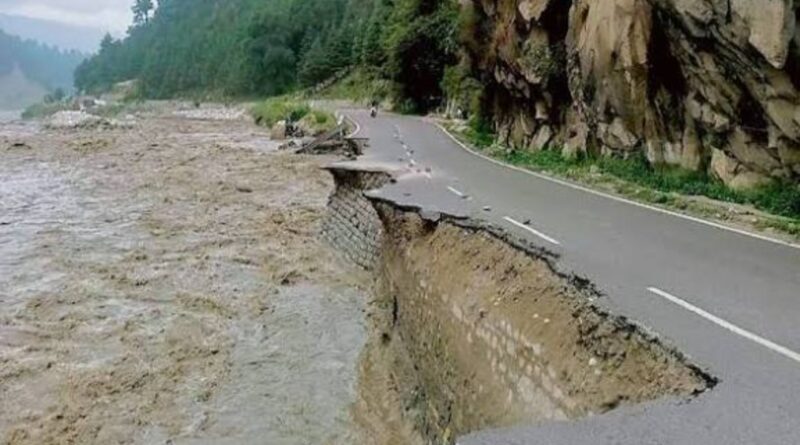
The department offers a B.Tech in Civil Engineering, along with M.Tech specialisations in Construction Management, Structural Engineering, and Environmental Engineering, plus PhD opportunities. These courses aren’t just theoretical—they’re built around issues that actually matter in the mountains: frequent landslides, poorly planned construction, and growing environmental stress.
What sets JUIT apart is its focus on hands-on training. Students learn in advanced labs, go on field visits, and work through practical modules that mirror real engineering challenges. From geotechnical investigation systems and hydraulic flumes to shake tables and environmental labs, they get direct experience with soil behaviour and structural response—things you can’t fully grasp from a textbook.
The faculty, many of whom hold doctorates from IITs and NITs, keep the academic standards high. Their involvement in funded projects and consultancy work means students stay tuned to what’s actually happening in the industry, not just what’s in the syllabus.
Research is another strong pillar. With a departmental H-index of 39, over 200 postgraduate dissertations, and several completed and ongoing PhDs, the department is genuinely contributing new knowledge. They’re running projects backed by organisations like the Department of Science and Technology (DST), HIMCOSTE, and the District Disaster Management Authority (DDMA).
The research focus is refreshingly grounded: slope stability, ground improvement, construction materials, structural dynamics, air quality monitoring, and solid waste management. These aren’t abstract topics—they’re urgent needs for Himachal, where fragile terrain and rapid urbanisation make every decision risky.
Industry connections are strong too. Students land internships with major names like NHAI, Himachal Pradesh Public Works Department (HPPWD), and SJVNL. Partnerships with professional bodies such as the Indian Geotechnical Society and the Indian Green Building Council add even more exposure.
But perhaps the most inspiring part is how the department steps beyond campus. It works closely with government agencies, sits on technical advisory committees, and runs training programmes for engineers, masons, and government officials—helping build capacity where it’s needed most.