A Step Towards Better Governance: Kasumpati May Soon Become a New Tehsil
In a significant move to streamline administration and bring governance closer to the people, the Shimla district administration has formally proposed to the state government the creation of a new tehsil in the bustling area of Kasumpati.
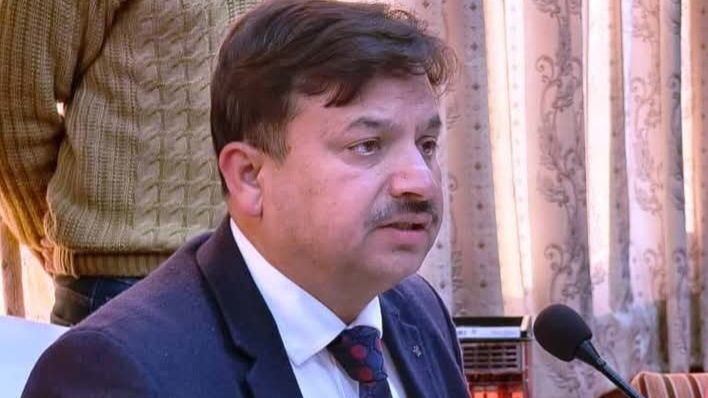
Shimla’s Deputy Commissioner, Anupam Kashyap, shared the news, emphasising the pressing need for this administrative upgrade. “Creating a dedicated tehsil for Kasumpati is no longer just an option; it’s a necessity,” he stated. The proposal has now been submitted to the state government for approval.
Currently, the Kasumpati area falls under the vast jurisdiction of Shimla Rural tehsil. This has led to practical challenges for both residents and officials. Mr. Kashyap explained that the sheer size of Shimla Rural—with its 32 patwari circles spanning a large geographical area and parts of three assembly constituencies—coupled with the dense population and increasing workload around Shimla city, has made efficient administration difficult. The rising number of revenue cases, court matters, and field verifications often leads to delays and inconvenience for the public.
The new proposal promises a more focused and manageable administrative unit. The planned Kasumpati tehsil will initially comprise 17 patwari circles and 4 field kanungo circles. To put its scale in perspective, it will govern over 17,000 hectares of land, manage nearly 87,000 land records (khasra numbers), and serve a population of over 91,000 residents.
The blueprint includes creating four new patwari circles in Chamyana, Rajhana, Dummi, and Janol, along with two new field kanungo circles proposed for Kasumpati/Chamyana and Shoghi.
This restructuring is more than just a change in boundaries; it’s about improving public service delivery. The new tehsil will encompass 83 government schools, 21 post offices, 27 bank branches, and various other government offices, ensuring that citizens have easier access to essential services.
The move is being seen as a welcome step that would reduce bureaucratic hurdles, bring decision-making closer to the community, and address the unique needs of Kasumpati’s growing urban landscape.