Simple Flavours, Sacred Traditions: Keonthal’s Unique Celebration of Makar Sankranti
In the chilly embrace of winter, the Keonthal region of Himachal Pradesh came alive with the warmth of tradition as families celebrated the two-day festival of Makar Sankranti. Unlike the plains where Lohri bonfires light up the night, Keonthal’s Sankranti is marked by simplicity, devotion, and the aroma of hill cuisine.
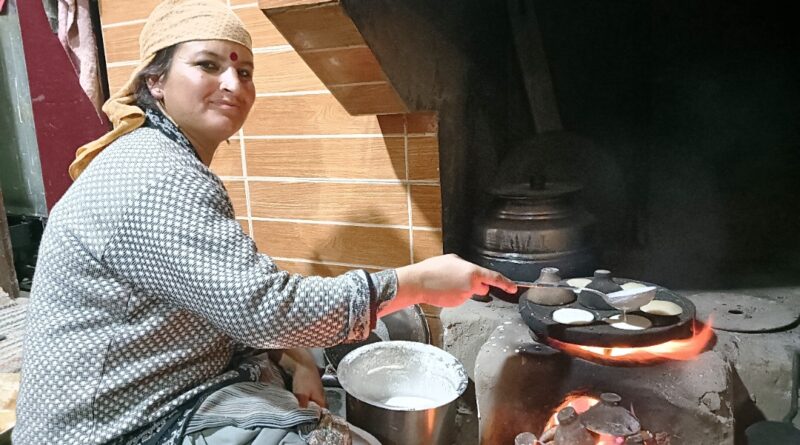
Homes filled with the fragrance of Siddu and Askaliya, steamed delicacies served with ghee on Lohri, while kheer and patanda sweetened the day of Sankranti. Before sitting down to these meals, villagers made their way to ancient temples, offering prayers to family deities for prosperity and happiness.
Senior citizens like Dayaram Verma, Atar Singh Thakur, and Daulat Ram Mehta recalled that Sankranti here is not about bonfires or folk songs of Dulla Bhatti, but about food, faith, and togetherness. “It is the last festival of the Hindu year, and the first in the English calendar,” they explained, highlighting its symbolic place in the cycle of seasons.
Traditions vary across Himachal. In Shimla and Sirmaur districts along the Giri River, families worship their presiding deity during four major festivals—Baisakhi, Hariyali, Diwali, and Magh—believing it brings blessings to the land. Meanwhile, in the Giripar border region, goat sacrifices during Maghi still continue, even as customs evolve with changing times.
For Keonthal, however, Sankranti remains a festival of quiet devotion and culinary heritage. As elder Daulat Ram Mehta noted, the festival marks the turning of the seasons, when days grow longer and nights shorter. Despite modern influences, villagers continue to uphold these age-old practices, keeping alive the cultural fabric of the hills.