From Himalayan Homes to Global Headlines: Kullvi Whims Weaves Tradition, finds mention in New York Times
In the quiet valleys of Kullu, a women-led self-help group called Kullvi Whims has stitched together more than wool—it has woven stories, livelihoods, and heritage into a movement that now resonates across the world. Their work with traditional wool artisans recently earned international recognition with a mention in The New York Times, spotlighting how grassroots craft collectives from India are shaping conversations on sustainability, handmade economies, and cultural exchange.
Giving Himalayan artisans a global voice
Founded in 2012, Kullvi Whims brings together over 300 women artisans who spin, knit, and weave indigenous sheep wool sourced directly from Gaddi shepherds. Co-founder Nisha Subramaniam explained that despite hurdles like tariffs and currency fluctuations, the collective continues to participate in global craft events to ensure small-scale Indian artisans remain visible internationally.
Rooted in tradition, reaching the world
The group has built a complete local value chain—raw wool from high-altitude pastures is hand-spun, naturally dyed with walnut husk or madder, and crafted into shawls, pattus, and knitwear using techniques passed down through generations. What began as household craft has evolved into a sustainable enterprise connecting Himalayan villages to buyers worldwide.
Heritage meets contemporary design
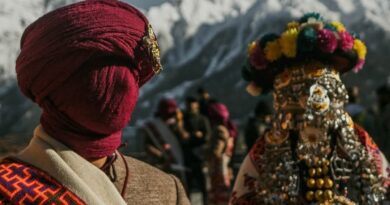
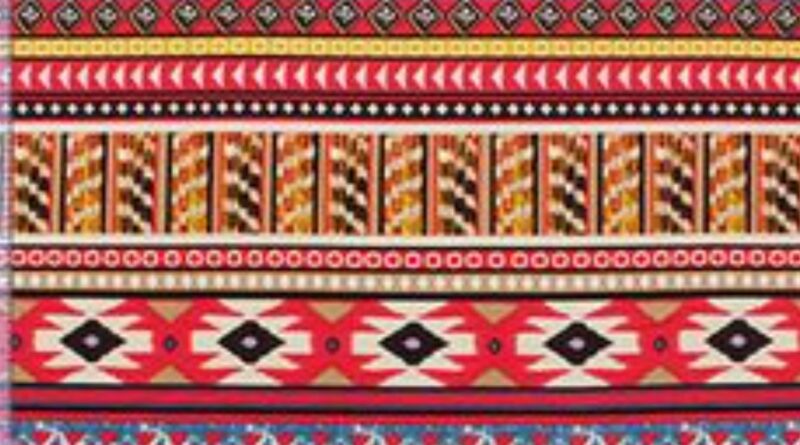
Kullvi Whims thrives on storytelling through design. Traditional Himachali motifs are reinterpreted for modern aesthetics, reviving interest in indigenous wool and slow fashion while preserving cultural integrity. Their Naggar-based studio has become a hub for artists, designers, and travellers seeking authentic Himalayan craftsmanship.
Recognition at home and abroad
The New York Times mention adds to their growing profile, alongside domestic recognition. Bollywood actor and Mandi MP Kangana Ranaut recently visited the studio, applauding the women artisans for preserving Himachal’s wool traditions.
For the women of Kullu, each thread spun is more than craft—it is resilience, memory, and pride. And now, their voices echo not just in mountain homes but on the global stage.