Budhi Diwali: Himachal’s Living Heritage of Light and Tradition
Himachal Pradesh, celebrated as Dev Bhoomi (Land of the Gods), is a land where centuries-old traditions continue to thrive. Among its many cultural treasures, Budhi Diwali stands out as a festival that embodies the region’s deep respect for heritage, community, and continuity.
A festival rooted in history
Unlike the mainstream Diwali, Budhi Diwali is observed a month later in Sirmaur district of Himachal and Jaunsar Bawar in Uttarakhand. The origins of this unique celebration are tied to legends:
- Some say villagers, busy with harvest work when Lord Ram returned to Ayodhya, celebrated only after their duties were complete.
- Others believe news of Ram’s victory reached the hills late, sparking delayed festivities.
- Another tradition links Budhi Diwali to Indra’s victory over demon Vritrasura, commemorated through song and ritual.
These stories, passed down through generations, reflect how communities adapted national celebrations to their own rhythms of life and work.
Courtyards as cultural stages
At dusk, villagers gather in shared courtyards. Elders lead with Harul—ancient ballads narrating princely-era tales—while younger generations join in nati dances, hand in hand. The communal singing, dancing, and storytelling transform courtyards into living museums of folk heritage.
Himachal’s golden chapter
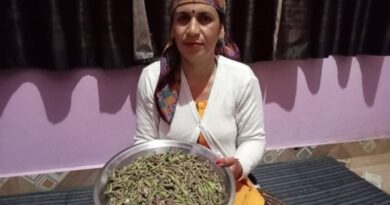
In Sirmaur’s Giripar region alone, Budhi Diwali lights up 435 villages across 140 panchayats. Celebrations may last three, five, or even seven days. In Kharkah village of Shillai, known for its Brahmin heritage, the festival is marked by simplicity—no meat, liquor, or animal sacrifice. Instead, evenings are filled with cultural performances and the aroma of traditional dishes like muda, sidhku, and bhedoli cooked in ghee.
Preserving identity through celebration
Budhi Diwali is more than delayed festivities—it is a cultural anchor. It reminds Himachalis that work is worship, that community bonds are sacred, and that heritage must be lived, not just remembered. Each song, each dance, and each shared sweet is a thread in the tapestry of Himachal’s identity.