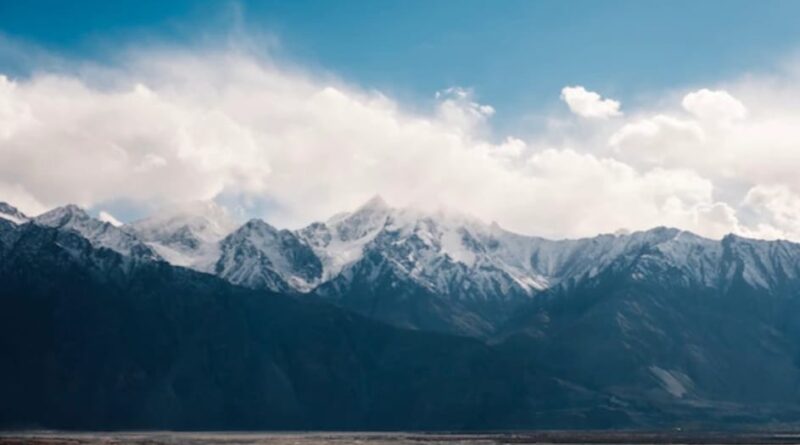
Vanishing Snow in December Sparks Climate Fears Across Himachal
Himachal Pradesh is experiencing one of its driest Decembers in recent memory, with the state recording nearly 90% below-normal rainfall this winter. The mountains that usually turn white by early December are still bare, worrying meteorologists, environmental experts and local residents alike.
Despite multiple alerts about incoming Western Disturbances, neither rain nor snow has arrived in the mid and high hills. According to the India Meteorological Department (IMD), temperatures are cold but not cold enough to trigger snowfall. Clouds are forming, but the freezing layer needed for snow has weakened—something experts link to rising global temperatures.
Snowfall in the Himalayas Is Declining Every Year
Research across the Hindu Kush Himalayan region shows a steady drop in winter snowfall. Studies from 1999 to 2016 reveal that snow is falling less often and melting faster. Glaciers in Lahaul-Spiti, Kullu and other regions are retreating at worrying speeds.
In the last four years alone, Himalayan rainfall has dropped by nearly 23%. This winter, Jammu & Kashmir and Ladakh are also facing massive rainfall deficits of around 86%.
Weak Western Disturbances Are Making Things Worse
Meteorologists say global warming and the El Niño effect have weakened the Western Disturbances that once brought fresh moisture every week. As a result, the seasonal rhythm has shifted:
- Snowfall that used to arrive in November–December is now delayed to February–March
- Winters are becoming shorter
- Rainfall patterns are turning unpredictable, spilling into April and even October
This prolonged dryness has created drought-like conditions in several high-altitude areas of Himachal.
A Growing Threat to North India’s Water Security
The lack of snow is not just a scenic loss—it threatens the entire northern region’s water supply. The Himalayan snowpack acts as a natural reservoir for major rivers. Less snowfall means:
- Poor glacier recharge
- Reduced river flow
- Long-term water shortages
Experts warn that if this trend continues, states like Punjab, Haryana, Delhi and Rajasthan could face severe water stress in the coming decades.
Apple Farmers Under Pressure as Chilling Hours Drop
For Himachal’s economy, the dry spell is a serious blow. Apple growers say the lack of early winter snow is reducing chilling hours, which are crucial for healthy flowering and good-quality fruit. Falling yields and declining fruit quality are already hurting farmers, and the trend is slowly turning into an employment crisis for mountain families.
Tourism is also taking a hit. With no snow yet, popular winter destinations like Shimla, Manali, Kufri and Narkanda are seeing disappointed visitors. The absence of snow during Christmas and New Year is threatening hotel bookings during what is usually peak season.
A Climate Warning the Himalayas Cannot Ignore
Environmental experts say this prolonged dry spell is a stark reminder of the accelerating climate crisis. Rising temperatures, rapid urbanisation, pollution and deforestation are reshaping the Himalayan climate at an alarming pace.
The missing December snow is no longer a one-off event—it is a sign of the growing fragility of mountain ecosystems. If the trend continues, Himachal Pradesh could face more extreme weather, shrinking glaciers, falling crop productivity and long-term ecological instability.