Kinnaur at the Crossroads: Hydropower Dreams vs Fragile Himalayan Reality
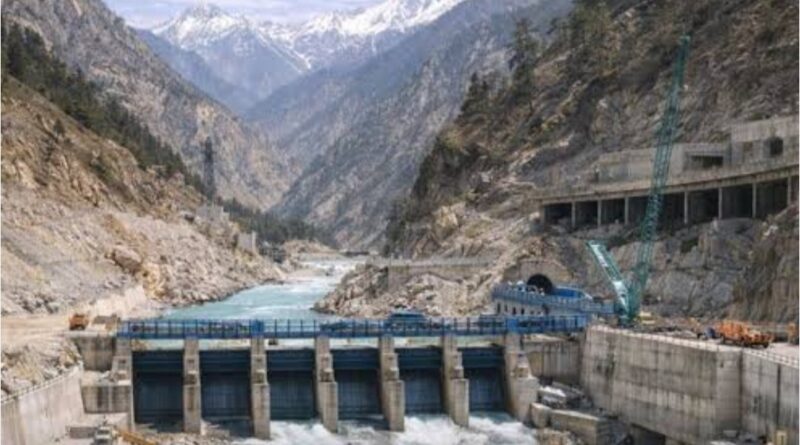
As Himachal Pradesh accelerates its hydropower ambitions, Kinnaur district has become the focal point of growing concern. Nestled in the fragile Himalayan terrain, the region is witnessing rapid expansion of projects along the Sutlej River—raising questions about whether development is outpacing environmental safeguards.
Experts warn that the district, located in Seismic Zone V, is inherently vulnerable to geological instability. Large-scale tunneling and blasting for projects have altered mountain structures, with increasing incidents of landslides and slope failures being reported.
For villagers living near these sites, the impact is deeply personal. Cracks in homes, sinking land, and falling debris have become part of daily life. Many residents say continuous blasting has compromised both residential stability and agricultural land, echoing findings from environmental assessments that caution against ignoring cumulative stress on Himalayan geology.
Beyond land stability, water systems are also being disrupted. Diverting the Sutlej through underground tunnels has reduced surface flow, affecting groundwater recharge and depleting traditional water sources like springs and irrigation channels. This has begun to impact drinking water availability and agriculture—the lifeline of Kinnaur’s communities.
The risks are compounded by the region’s history of disasters, such as the Parachu Flood of 2005, which remains a stark reminder of the basin’s vulnerability. Environmentalists argue that while hydropower is often hailed as clean energy, its implementation in ecologically fragile zones demands caution and scientific foresight.
Calls to declare Kinnaur an Eco-Sensitive Zone are gaining momentum, with experts urging stricter controls and even a temporary halt on new projects until comprehensive studies assess the carrying capacity of the Sutlej basin.
Yet, the challenge is complex. Himachal’s economy relies heavily on hydropower, and slowing down projects carries financial implications. But experts caution that ignoring environmental risks could lead to far greater losses in the long run—through intensified disasters, land degradation, and social upheaval.
Kinnaur today stands at a critical juncture. The choices made now will shape not only its environmental future but also the lives and livelihoods of generations to come.