Himachal’s Vanishing Winters: Snow Drought Sparks Fears for Farmers and Forests
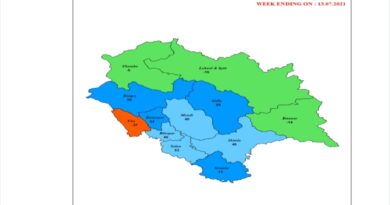
Himachal Pradesh is facing an unsettling winter. Rainfall and snowfall have dropped sharply, leaving large parts of the state on the brink of drought-like conditions. Meteorological data show that this winter the state has received nearly 88% less rainfall than normal, a worrying sign that echoes across the Himalayan region.
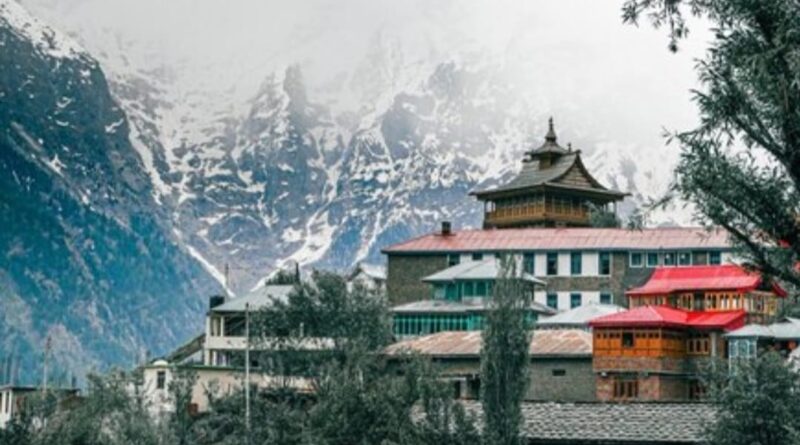
For the past five years, winters have consistently brought below-average snowfall compared to the long-term record from 1980–2020. Where snow once blanketed the mountains, bare rocks now dominate the landscape. Scientists call this a “snow drought”—a season when snowfall is scarce and doesn’t last long on the ground.
Climate Change Behind the Decline
Experts point to rising temperatures as the main culprit. Even when snow does fall, it melts quickly, especially in lower and mid-altitude areas where rain is replacing snow. Studies, including those cited by the IPCC, confirm that climate change is reshaping Himalayan winters. Research shows snowfall in the north-western Himalayas has dropped by 25% in the last five years compared to the 40-year average.
Snow Persistence Hits Record Lows
It’s not just snowfall that’s declining—the snow that does fall isn’t sticking around. The 2024–25 winter recorded the lowest snow persistence in 23 years, nearly 24% below normal. This matters because snowmelt feeds rivers, providing drinking water, irrigation, and hydropower for millions downstream.
Farmers and Forests Feeling the Heat
In Himachal, the dry spell is already hurting rabi crops like wheat, barley, mustard, peas, and vegetables. Apple growers are worried too, since snowfall is vital for chilling hours and soil moisture. Without it, productivity could suffer.
The risks extend to forests, which are left dry and vulnerable to summer wildfires. Meanwhile, shrinking snow and glaciers weaken mountain stability, leading to more landslides, rockfalls, and glacial lake outbursts.
Weak Western Disturbances Add to Crisis
Meteorologists say the problem is worsened by weak Western Disturbances, the weather systems that usually bring winter rain and snow from the Mediterranean. This year, most disturbances have been “feeble,” producing little precipitation. Data suggests northwest India, including Himachal, could see up to 86% less winter precipitation than average.
A Brief Relief, But Not Enough
A fresh Western Disturbance is expected to bring some rain and snow over the next few days, offering short-term relief. But experts warn that sporadic showers won’t undo the damage. What’s needed is sustained snowfall to restore soil moisture, recharge water sources, and stabilize fragile ecosystems.
A Growing Long-Term Threat
Scientists caution that the Himalayas now face a dangerous combination: rapid glacier melt and declining snowfall. Together, they threaten water security, agriculture, and livelihoods across hill states like Himachal Pradesh.
As winters grow more unpredictable, experts stress the urgent need for climate-resilient farming, better water management, and long-term adaptation strategies to protect communities and ecosystems from the changing face of Himalayan winters.