A Cry for the Himalayas: Can Himachal Pradesh Forge a New Path?
In the quiet, majestic shadow of the Himalayas, a conversation of urgency is brewing. This November, the town of Mandi will become the heart of a crucial dialogue about the future of India’s “lifeline,” as communities, activists, and experts gather for a two-day Himalayan Conference.
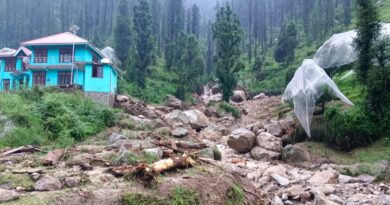
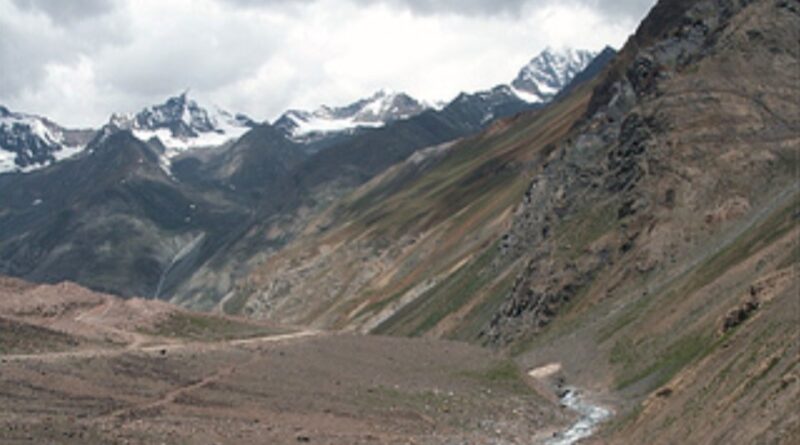
The mountains are speaking, through landslides, erratic weather, and melting glaciers. For the people of Himachal Pradesh, the climate crisis isn’t a distant headline; it’s the reality of a collapsed road, a washed-away field, or the anxious wait for the next deluge.
“We are at a crossroads,” the conference organizers state, framing the central question of our time: “Do we continue on a path that leads to destruction, or do we learn to walk in balance with nature once again?”
The Human Face of a Warming World
The science is stark—the Himalayas are warming at an alarming rate. But behind that data are human stories. Families in Kinnaur and Lahaul-Spiti watch ancient glaciers, their water source, recede. In Kullu and Mandi, farmers and hotel owners alike grapple with the dual pressures of extreme weather and relentless “over-tourism.”
The devastating floods of 2023 are a fresh wound. Thousands who lost their homes and lands are still waiting for rehabilitation, caught in a tangle of environmental laws and a lack of non-forest land. Their plight is a stark reminder that a disaster’s end is only the beginning of a long, hard struggle for normalcy.
“This isn’t just ‘nature’s fury’,” the conference narrative emphasizes. “It’s the consequence of an unbalanced development model—of deforestation, of building recklessly in river valleys, and of ignoring the delicate mountain ecology in the name of progress.”
Reimagining “Development” in the Mountains
The conference challenges the very definition of development. Is it more roads and hotels, or is it a life of quality, ecological security, and resilient communities?
The goal is to shift the focus from concrete to conservation, from extraction to restoration. Discussions will center on eco-friendly livelihoods, watershed management, and most importantly, empowering the people who call the Himalayas home.
“The mission to save the Himalayas will only succeed when it reaches every village and every panchayat,” the organizers believe. “When the people themselves become the guardians of their water, their forests, and their land.”
A Platform for Voices and Solutions
Scheduled for November 15-16, 2025, at Saksharta Bhavan in Mandi, the conference is designed as a collective search for answers.
The first day is dedicated to a Public Hearing, ensuring that the voices of those most affected by disasters are not just heard, but are central to crafting solutions. Their experiences and struggles will shape the dialogue.
On the second day, the focus turns to “Discussion and the Way Forward,” with critical conversations on:
· The true impact of mega projects on the fragile Himalayan ecology.
· How land laws and state policies can either protect or endanger the mountains.
· Building a sustainable development model that respects water, biodiversity, and local cultures.
· Strengthening disaster preparedness in the age of climate change.
Organized by a coalition of grassroots groups like Himdhara, Himalaya Niti Abhiyan, People for Himalaya Campaign, and Save Lahaul-Spiti, this event is a testament to the power of collective action. It’s more than a conference; it’s a gathering of hope, aiming to weave together policy, science, and the wisdom of the people to protect the soul of the Himalayas for generations to come.