Weather Woes Trim Kangra’s Fruit Output, but Horticulture Shows Signs of Recovery
Kangra district is expected to harvest about 55,184 metric tonnes (MT) of fruit in 2026–27, a figure that falls short of its normal production levels but still marks a clear improvement over the last two years. The modest recovery comes despite erratic weather patterns that continue to challenge fruit growers across the region.
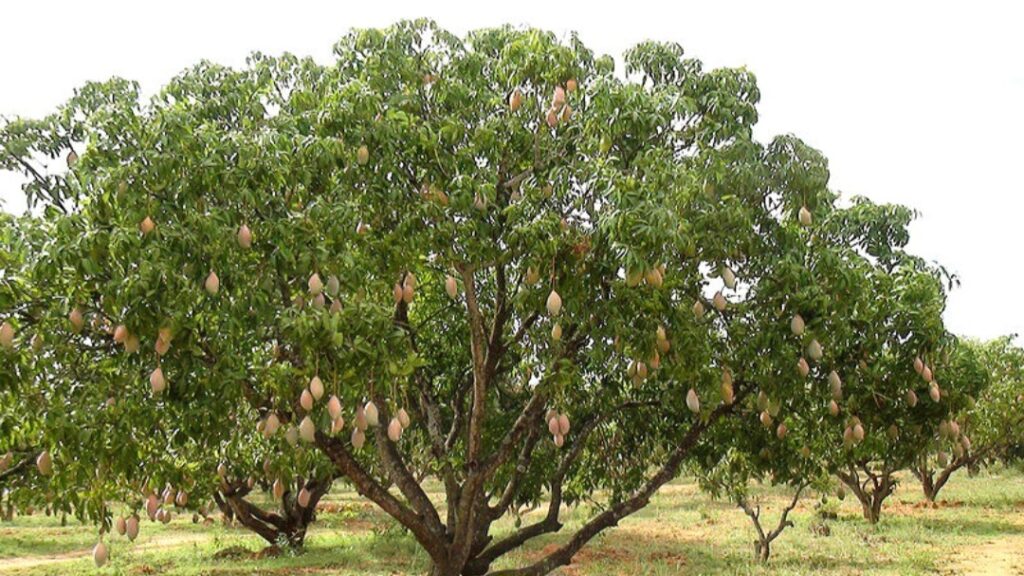
In comparison, Kangra produced 52,655 MT in 2025–26 and 52,581 MT in 2024–25, reflecting a gradual upward trend. With nearly 42,000 hectares under fruit cultivation, the district remains a major horticulture hub. Mango continues to dominate the landscape, covering close to 22,000 hectares, or more than half of the total fruit-growing area. Other key fruit crops include litchi, orange/kinnow, beed lime, malta/mosambi and galgal.
Mango cultivation is especially concentrated in lower Kangra. Indora block leads with around 6,840 hectares, followed by Nurpur with 3,854 hectares. Blocks such as Pragpur, Dehra and Nagrota Surian also contribute significantly, thanks to favourable agro-climatic conditions.
According to Kangra’s Deputy Director (Horticulture), mango is expected to remain the district’s biggest contributor, with an estimated production of 24,799 MT—nearly 1,000 MT more than last year, provided weather conditions stay supportive. Mango output previously stood at 22,350 MT in 2024–25 and 23,720 MT in 2025–26.
However, mango is also the crop most vulnerable to climatic stress. Officials estimate losses of around 15 per cent, mainly due to weather fluctuations during critical flowering and fruit-setting stages.
Litchi production for 2026–27 is projected at 4,321 MT, slightly below its normal potential of about 4,995 MT. The crop has remained relatively stable in recent years, with yields of 4,375 MT in 2024–25 and 4,298 MT in 2025–26.
Overall, horticulture officials have factored in crop losses ranging from 5 to 15 per cent, attributing them to unseasonal rainfall and temperature variations that affect pollination and fruit development.
Despite these hurdles, experts see the projected rise in output as a sign of the sector’s resilience. Extensive cultivation, improved orchard management and better farming practices have helped Kangra’s fruit growers hold their ground. If weather conditions remain favourable in the coming months, officials believe actual production could even surpass current estimates.