Himachal’s Green Future Hinges on Fair Dues and Fragile Himalayas
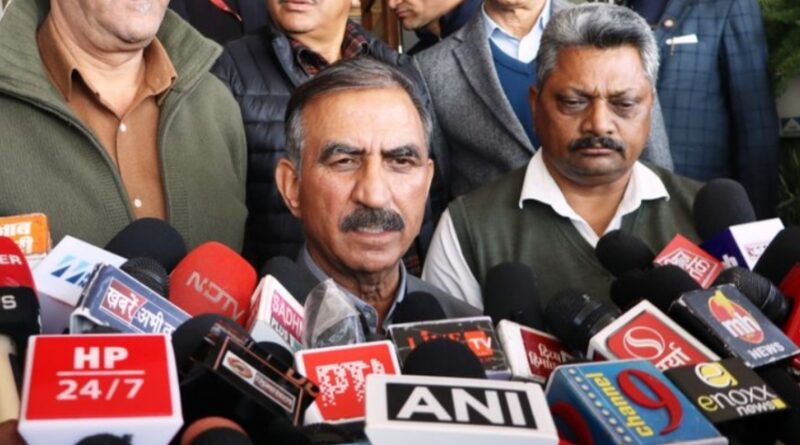
Chief Minister Sukhvinder Singh Sukhu has drawn a firm line: Himachal Pradesh will not move forward with the Kishau and Renuka dam projects until neighboring states settle the long-pending arrears owed to the Bhakra Beas Management Board (BBMB). For him, financial justice is not just about numbers—it’s about respect for the state’s rightful share before committing to massive hydropower ventures.
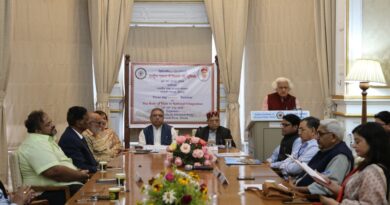
At a recent event releasing a scientific report on tackling non-CO2 emissions, Sukhu reminded everyone of the delicate balance the Himalayan ecosystem holds. The devastating 2023 disaster, which wiped out over 23,000 homes, was a stark warning. Cloudbursts, flash floods, landslides, and shrinking glaciers are no longer rare—they’re signals of accelerating climate change that demand urgent action.
Environmental conservation, Sukhu emphasized, is now the cornerstone of Himachal’s policies. The state is pushing to become India’s first green energy hub, with ambitious plans:
- Solar power: 200 MW targeted this year, backed by subsidies for young entrepreneurs.
- Green hydrogen: A one-megawatt plant at Nalagarh in partnership with Oil India Limited.
- Electric mobility: 300 new e-buses by April, EVs across government departments, and a 40% subsidy to convert 38,000 taxis into e-taxis.
Beyond energy, Himachal is also nurturing its ecological roots. Agreements with Dabur India Ltd and local entrepreneur Karan Singh Vaidh will see the cultivation of medicinal plants, with Dabur supplying 12 lakh saplings annually—adding up to 1.20 crore over the next decade. This initiative promises both sustainability and better livelihoods for farmers.