Jukaru Festival: Pangi Valley’s Snowy Celebration of Unity and Tradition
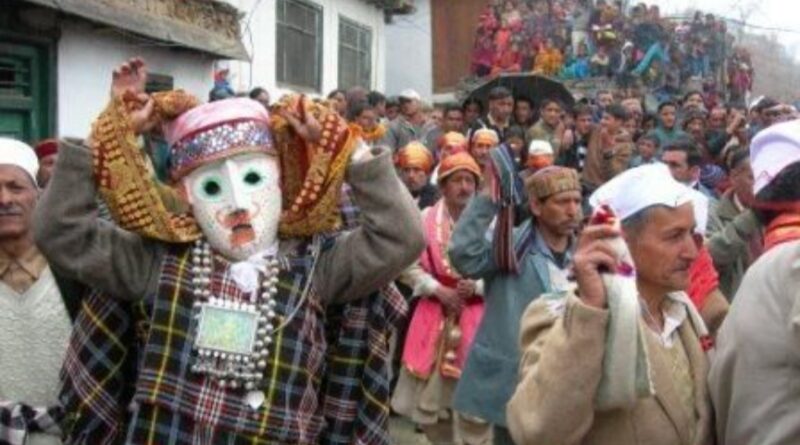
In the remote tribal valley of Pangi, winter’s silence is broken by the laughter of children and the glow of lamps as families gather for Jukaru, locally known as Padid. Against a backdrop of snow-clad peaks and icy winds, the festival transforms the valley into a living canvas of color, warmth, and tradition.
As the first light touches the mountains, villagers rise at Brahma Muhurat. Children watch eagerly as elders bathe, dress in fresh traditional clothes, and prepare offerings. The worship of King Bali begins, teaching the younger generation lessons of charity and sacrifice. Flowers are offered to the Sun God, and the simple exchange of “Shubh” and “Shagan” fills homes with blessings and joy.
For families who depend on the land, water and the plough are sacred. Children follow their parents to the spring, carrying vessels of icy water to honor the Water God. Back at home, the head of the family bows before the Chur (plough), symbolizing hopes for a fruitful year. These rituals, witnessed by curious young eyes, become stories they will carry forward.
The heart of Jukaru lies in reverence. Younger members bow at the feet of elders, receiving blessings for happiness and longevity. Heavy snowfall often keeps families indoors, but Jukaru becomes a reason to step out, visit neighbors, and mend old ties. Children giggle as they run from house to house, repeating greetings like “Takda Thiya Na” and farewells of “Mathe Mathe Vish,” learning that festivals are as much about love as they are about ritual.
Women prepare delicacies — kachoris, siddu, puris — filling homes with festive aromas. Grandparents tell stories of how offerings were once carried in carts through snow, while today they arrive in bags. The younger generation listens, realizing that they are the bridge between past and future, keeping traditions alive.
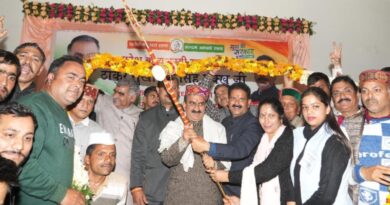
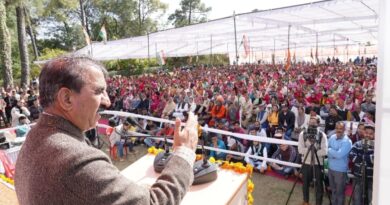
Local leaders have extended greetings, reminding the Pangwal community that festivals like Jukaru are the soul of culture. Their words echo the sentiment already alive in the valley — that heritage is not just remembered, but lived.