Civil Society Urges Union Govt to Create Special Disaster Resilience Budget for Himalayan States
Amid the rising frequency of climate-induced disasters in the Himalayan region, a collective of civil society organisations and environmental groups has urged the Central Government to introduce a dedicated and ring-fenced disaster resilience budget for Himalayan states in the upcoming Union Budget.
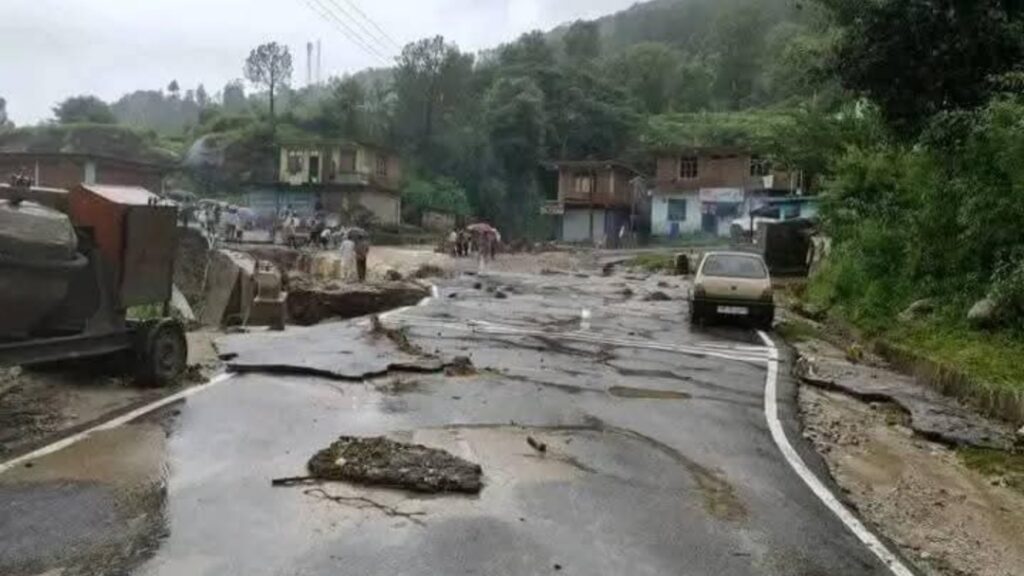
In a detailed representation submitted to the National Disaster Management Authority (NDMA), the organisations highlighted the growing vulnerability of the Himalayan belt to cloudbursts, flash floods, landslides, glacial lake outburst floods (GLOFs), forest fires, earthquakes and climate-driven water stress. These recurring disasters, the letter noted, have caused extensive loss of life, livelihoods, infrastructure and fragile ecosystems across the region.
The memorandum stressed that the ecological sensitivity and geophysical fragility of the Himalayas demand a region-specific financial framework focusing not just on relief, but also on prevention, preparedness, rehabilitation and long-term climate resilience.
Call for Climate-Focused Planning
The organisations proposed the inclusion of region-specific climate adaptation and mitigation plans, including slope stabilisation, landslide risk reduction, glacier and watershed management, and promotion of climate-resilient livelihoods and sustainable tourism models.
They also emphasised the need to strengthen village-level disaster preparedness, hazard mapping, early warning systems for floods and landslides, and special training programmes for Panchayats, women’s groups and youth volunteers. The memorandum suggested introducing a Himalayan-specific disaster management curriculum in educational institutions to build awareness among future generations.
Focus on Mental Health and Dignified Relief
Highlighting an often-ignored aspect of disaster response, the groups sought dedicated budgetary support for psycho-social care and mental health services for disaster-affected families. Special attention was recommended for children, women, elderly persons and persons with disabilities, who face long-term emotional trauma after disasters.
The letter also called for dignified relief measures such as pre-positioning of essential supplies, solar-based emergency systems, temporary shelters with proper sanitation and privacy, and community-based rapid response units.
Recognising Climate Refugees
One of the key demands was the legal recognition of “climate refugees”, along with policy reforms to facilitate their rehabilitation and resettlement. The organisations proposed land pooling mechanisms, creation of land banks for displaced families, amendments to the Forest Conservation Act, and planned relocation of villages that have become uninhabitable due to landslides or land subsidence.
Role of Civil Society and NGOs
The memorandum also underscored the importance of formally recognising civil society organisations, grassroots NGOs and expert institutions as implementation partners. Dedicated budget provisions were sought to enable their participation in community training, psycho-social support, last-mile relief delivery, monitoring and social audits, particularly in remote Himalayan regions.
Calling the Himalayas a national ecological lifeline, the organisations asserted that investing in disaster resilience is not an expense but a national responsibility and a matter of long-term security.
They appealed for the creation of a “Himalayan Disaster Resilience and Climate Adaptation Window” within the Union Budget to ensure coordinated, people-centric and science-based interventions across ministries.
The representation was jointly submitted by Guman Singh Coordinator Himalaya Niti Abhiyan, Kulbhushan Upamanyu President Himalaya Bachao Samiti, and several other regional organisations working on environmental protection, livelihoods and disaster resilience in the hill states.