Bawara Tradition: The Heartbeat of Rural Togetherness in Keonthal Region
In the Keonthal region, even as times change, the age-old tradition of Bawara continues to thrive. More than just a farming practice, Bawara is about neighbors helping neighbors—sharing the load of agricultural tasks and strengthening the bonds of community life.
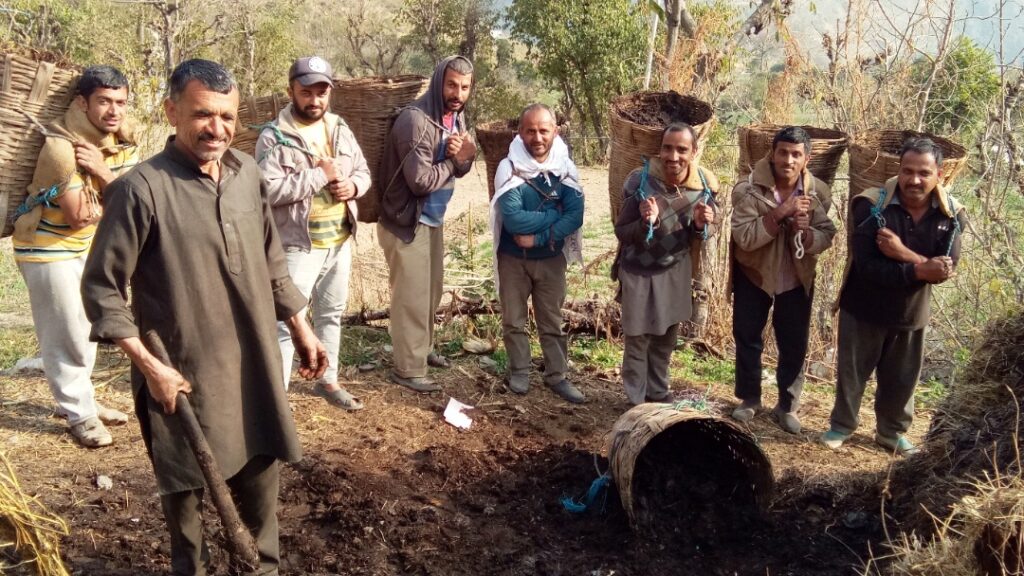
After the rains, when farmers carry dung to their fields or prepare for the next crop, village youth step in to lend a hand. This cooperative spirit, known as Bawara, is a living example of unity in action. In fact, it laid the foundation for the cooperative movement in Panjawar village of Una district, inspiring similar practices across India.
Elders like Dayaram Verma, Daulat Ram Mehta, and Jabar Singh Thakur recall how Bawara once flourished before modernity and materialism began to erode it. Yet, the tradition still survives in rural corners. Each household contributes at least one member to tasks like carrying dung, cutting grass, or weeding corn. When the entire village joins in, the collective effort is called Halla.
But Bawara is not just about work—it’s about joy. Villagers exchange jokes and playful satire in the Pahari language, turning labor into laughter. At night, the host family prepares traditional Pahari dishes, and everyone—young and old—shares a meal together. These gatherings foster love, goodwill, and cooperation, weaving a fabric of unity that strengthens not just the village, but the nation itself.