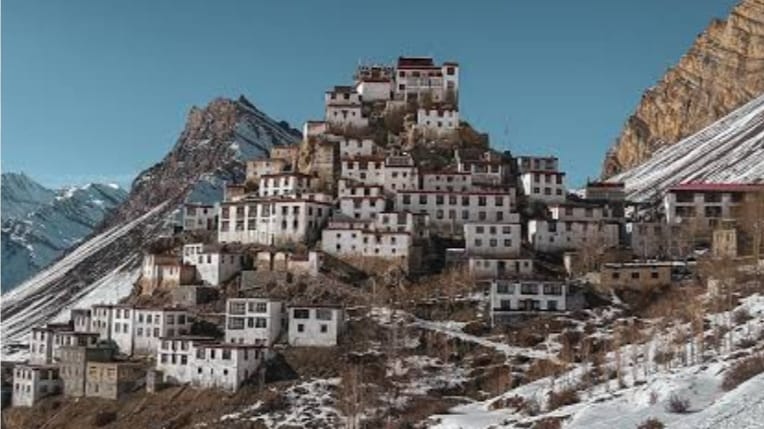
Himachal’s Bitter Dry Cold Tests Resilience of Locals
The winter has tightened its hold over Himachal Pradesh with an unforgiving intensity, plunging much of the state into a deep, pervasive freeze. Temperatures have tumbled well below what is typical for this season, leading authorities to issue fresh travel warnings, especially for the lofty, remote reaches of the mountains.
Morning weather reports paint a stark picture: the mercury has plummeted, with nighttime readings sitting 2 to 6 degrees Celsius below normal across numerous locations. The dry air does little to soften the bite of the cold, which has grown particularly severe in the tribal expanse of Lahaul and Spiti. Here, the extreme freeze has created perilous “black ice”—thin, nearly invisible sheets coating roads and mountain passes.
The tiny village of Kukumseri now bears the title of the state’s coldest spot, enduring a brutal low of -10.6°C. Not far behind, Tabo recorded -8.4°C. These are not isolated chills; a string of towns in the high and mid-hills have also sunk into sub-zero temperatures, revealing the cold wave’s broad sweep.
The chill spares few, even in typically milder areas. Well-known towns like Shimla, Kufri, Mandi, and Kangra are hovering alarmingly close to the freezing mark, their residents and visitors alike bundled up against the penetrating cold.
In response to the dangerous conditions, the administration in Lahaul and Spiti is urging extreme caution. Travel, particularly after dark, is strongly discouraged. Officials warn that thick frost and hidden ice patches have dramatically increased the risk of vehicles skidding off the road. An added danger comes from frozen waterfalls, which unsuspecting tourists sometimes mistake for gentle snowbanks, leading them into treacherous areas.
Further complicating daily life, dense fog has blanketed parts of Bilaspur, with shallower mist affecting Mandi and Una, severely reducing visibility in the early mornings and late nights.
The consistent advice from authorities is clear: avoid night travel unless absolutely necessary, equip vehicles with snow chains, and carry full winter survival kits. These bone-chilling conditions are expected to linger for several more days.
Yet, in a striking contrast emblematic of mountain winters, the days tell a different story. Clear, brilliant sunshine bathes the hills under vivid blue skies, lending a crisp, enchanting beauty to the landscapes. This serene daytime charm, with its clean air and stunning vistas, continues to draw visitors on weekends—offering a powerful, if challenging, blend of numbingly cold nights and gloriously sunlit days.