From Two Cows to Thriving Dairy Farm: How Milk Price Reforms Changed a Himachal Farmer’s Life
In the quiet village of Churudu in Una district, the morning routine of Vijay Kumar is filled with purpose and the gentle sounds of his large, airy cattle shed. Just four years ago, this was a much quieter place, with only two cows to tend to. Today, it’s the heart of a bustling dairy farm that stands as a real-life example of how supportive policies can transform rural dreams into tangible success.
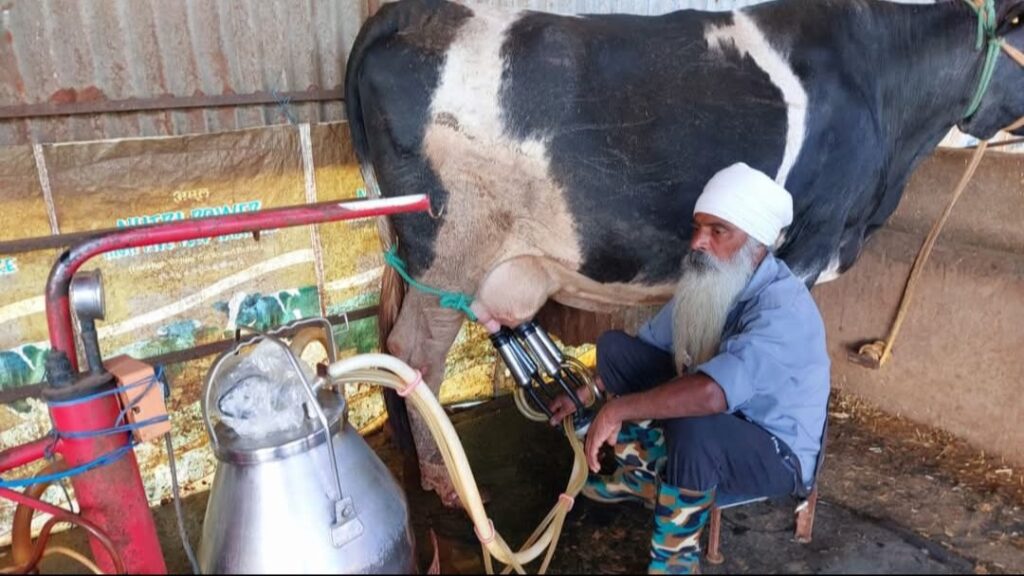
Vijay’s journey isn’t just about numbers, though the numbers are impressive. It’s a story of confidence. “When the government announced it would pay us better for our milk, it wasn’t just about a few extra rupees,” he shares, pausing while his automated milking machine hums in the background. “It gave me the faith to invest, to grow, and to believe this could truly sustain my family.”
That belief has materialized into a thriving operation with 20 animals. Every day, he and his family, along with one hired helper, produce about 80 litres of high-quality milk. “We focus on quality—good feed, healthy animals. That’s why we get between ₹50 to ₹52 per litre,” he explains with a touch of pride. After all expenses, the farm brings in a clear ₹60,000 monthly profit, a sum that has brought not just financial stability but a renewed sense of dignity and ambition to his household.
Walking through his farm, the signs of this new confidence are visible. The milking machine saves hours of labour, a generator stands ready for power cuts, and a tractor-cart keeps the space clean. These aren’t just gadgets; they are tools of empowerment, bought because the future suddenly looked secure enough to invest in.
Officials from the Animal Husbandry Department are now familiar faces, offering advice on animal health and nutrition. “Their guidance helped us improve both quantity and quality,” Vijay acknowledges. This synergy between a farmer’s initiative and government support is creating a quiet revolution in the district’s villages.
Dr. Dinesh Parmar from the Animal Husbandry Department connects Vijay’s personal story to the bigger picture. “Himachal was the first to introduce a Minimum Support Price for milk. Raising that price was a deliberate move to put more money directly into the pockets of our farmers,” he says. In Una alone, dairy farming is now a robust economic engine, with thousands of litres of milk flowing daily to cooperatives like Jhaleda and private giants like Verka and Amul.
Back in Churudu, as the evening milking concludes, Vijay reflects on the change. “I am thankful to Chief Minister Sukhvinder Singh Sukhu for seeing our potential. This dairy farm is no longer just my job; it’s my contribution to my family and my village.” His story, far from being an isolated case, is becoming a blueprint for rural resurgence—one where a fair price for a litre of milk can fuel dreams, build futures, and strengthen the very fabric of the rural economy.